

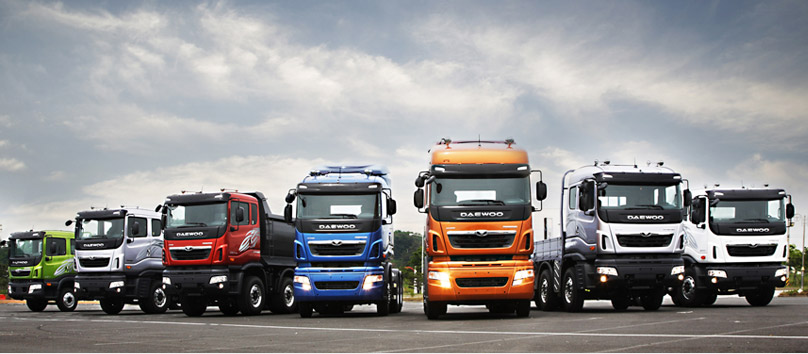
A formal group is to be set up to continually assess the impact of heavy commercial vehicles (HCVs) on Staffordshire roads and agree on realistic mitigation measures.
The Staffordshire Freight Forum is being set up in response to a county council select committee report into the issue earlier this year. Representatives from Highways England, the Road Haulage Association and Staffordshire Chambers of Commerce will be asked to form the group along with officers from the County Council.
Staffordshire County Council’s Cabinet Member for Highways and Transport, Mark Deaville, will announce the plans at a meeting of the Prosperous Staffordshire select committee. The response will also include plans to update Staffordshire’s Freight Strategy when funding is available.
It is intended that the forum will hold its first meeting in November. Among the issues it will look at are local highways issues and safety, long-term improvements on the A38 to discourage HCV drivers from using other routes, the future siting of lorry parks, planning conditions for future developments including HS2 and future traffic surveys.

The County Council’s Prosperous Staffordshire select committee held two day-long consultation sessions last autumn with residents, local councillors, highways officers, emergency services and Highways England. It subsequently compiled a report which is being addressed at the upcoming meeting.
Mark Deaville said:
“The impact of HCVs on rural communities is a national one and while there are no easy solutions, we want to be as proactive as is realistically possible in Staffordshire with a common sense approach. We can only aim to mitigate some of these issues by working together and that is why we have decided to set up the Staffordshire Freight Forum. This will continually review what is a complex subject and balance community concerns with the needs and requirements of businesses using the road network. The forum will be upfront and honest about what is achievable with budgets and timescales considered. It will do all it can in helping to shape wider transport policies. I’d like to thank the communities that have been involved in the consultation sessions for their invaluable input and for the work of the select committee.”