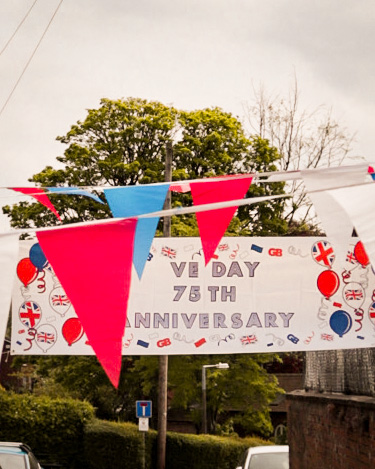


Whilst the nation prepares to celebrate the 75th Anniversary of VE Day tomorrow, Tom Jowett reminds us that VE didn’t signal the end of WW2 for everyone.
Thanks to Tom Jowett for providing this perspective to us around the ending of World War 2.
[divider style=”solid” top=”20″ bottom=”20″]
WW2 ended on VE-Day? Oh no it didn’t!
For those serving in the Armed Forces against the Japanese, the War was to continue for another three months, until Japan surrendered on August 15th 1945, even longer for some of those men to return home.
This would obviously include the 130,000 Allied men that were being held by the Japanese as Prisoners of War (PoW), in addition to the Allied civilians that were being held. The Japanese government had issued orders to their guards to kill all prisoners should Japan look like losing WW2, so dropping the two bombs over Hiroshima and Nagasaki, causing immediate Japanese surrender, saved many Allied lives. I, for one, would not be here if it wasn’t for the bomb.
Approximately 700 of these PoWs were British and American survivors from Allied ships lost during the final stages of the Battle of the Java Sea, these men were taken to a camp at Macassar, on the island of Celebes (now called Sulawesi) in the Dutch East Indies (now called Indonesia) which was being run by the Imperial Japanese Navy; secretly, so neither the Allies nor the Red Cross were aware of the camp’s existence.
The conditions at Macassar were not good. Having been rescued from the water, the survivors had very little in the way of clothing. At Macassar there was little food and even less medical facilities, yet the PoWs were still expected to do the physical work for the Japanese; like jungle clearing, mining, building camps, air-raid shelters, airfields and ports.
Little food? How does a handful of rice a day sound?
Medical facilities? With no medicines, no instruments and no clean water?
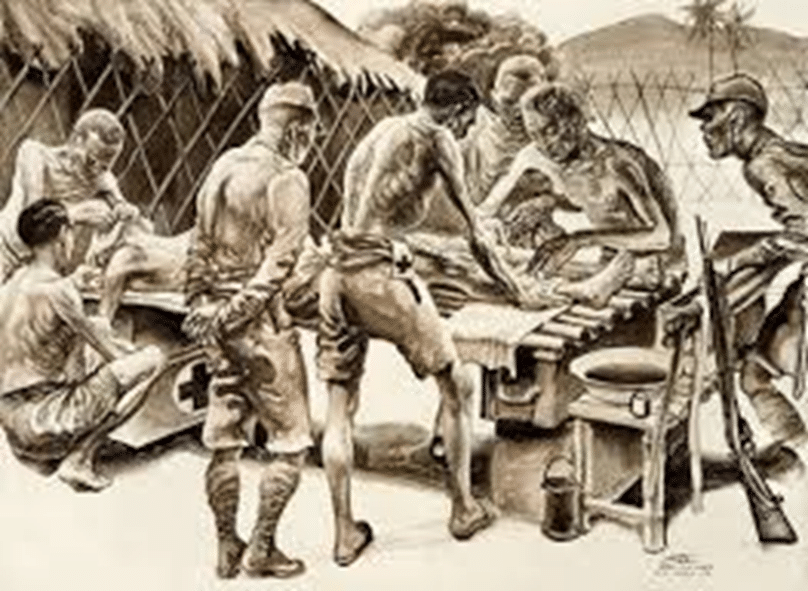
Yet operations were performed -without anaesthetic, without proper implements (a spoon and a piece of whale bone!); just exceptionally good, resourceful PoWs as medics, assisted by very strong assistants.

During the 1945 rainy season, three years into their internment, with the men at their weakest, 123 British PoWs died when there was an outbreak of dysentery.
The Japanese only understood one method of punishment, physical beatings. Whatever the offence, usually alleged, the punishment was some form of physical attack. One British PoW was caught smuggling (actually, he was taking food to his sick friend), he took 213 strokes of the preferred delivery method, a base-ball-bat.
Even though the War with Japan finished with VJ-Day, on August 15th 1945, the camp at Macassar was not discovered and officially surrendered to the Allies until mid-September. As the Australian Army regained control of the area, they found the many of the PoWs were suffering from malnutrition and various tropical diseases, few weighed more than five stones, around thirty kilos.
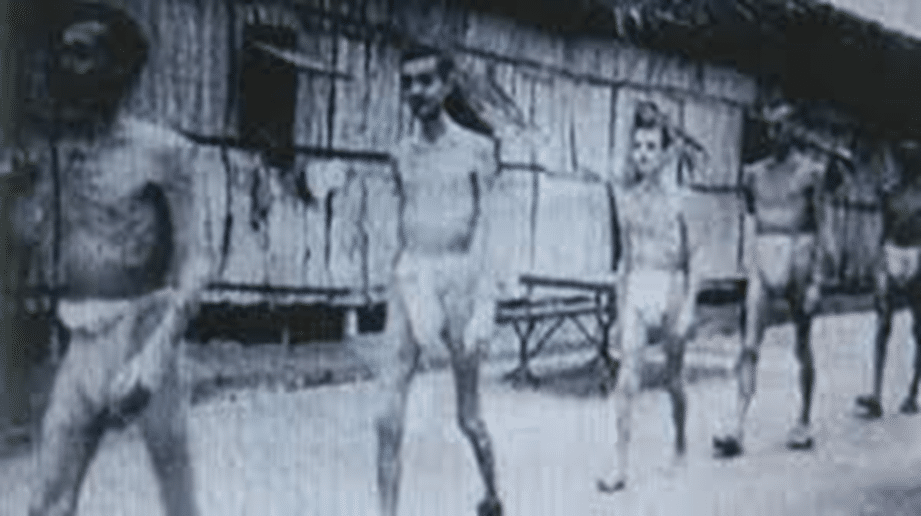
The British PoWs were transferred by an Australian minesweeper to a Royal Navy ship, HMS “Maidstone”, on 23rd September for their journey home.
HMS “Maidstone” had been working as a submarine tender in the Far Eastern waters during the latter half of the war, based at Fremantle, Australia.
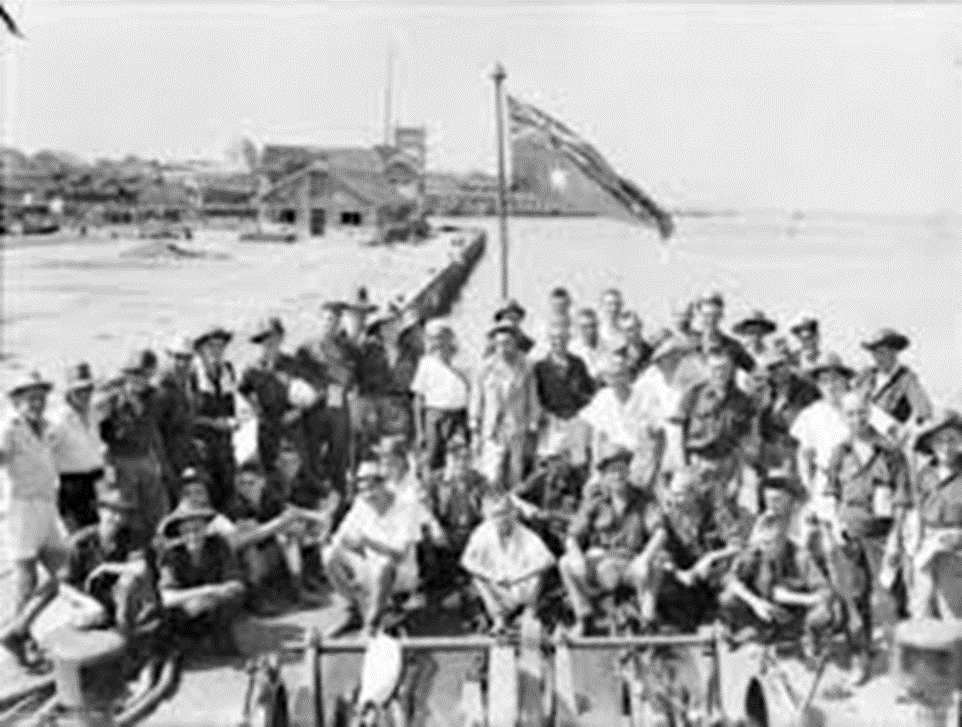
It was December 11th before these PoWs arrived home, shadows of their former selves; only then were they able to see their families and celebrate the end of the War, six months after the rest of the country and the rest of the civilised world celebrated VE-Day. Those same families that didn’t know whether their sons and husbands were alive or not, until they arrived home.
183 -just over 26%- of the British survivors did not return, they died in captivity and remain buried in Indonesia.
Should we celebrate these events? Or take the time to remember and respect the pain and suffering endured by these men during their three and a half years internment; for us to remember those that died in captivity and those that have passed away far too soon after their return due to their experiences at Macassar.
[divider style=”solid” top=”20″ bottom=”20″]
Thanks to Tom Jowett for providing this piece. If you’re interested in submitting pieces to us then please use the contact form here – Send Us Your News