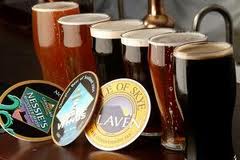
The owner of Lymestone Brewery has urged people in Stone to back calls for Chancellor George Osborne to freeze beer duty.
Ian ‘Brad’ Bradford has backed calls for the Chancellor to ditch the controversial beer duty escalator. A rise in duty in the Budget on March 21st would mean duty on beer will have risen by 42 per cent in just four years.
Brad said: “The escalator is scandalous. Before the 2010 election, David Cameron said he was going to save the British pub and so far he’s done nothing. It’s disgraceful that beer is portrayed as the problem. Beer’s not the evil one here. The Government needs to introduce minimum pricing to address the huge discrepancy between prices in pubs and supermarkets.
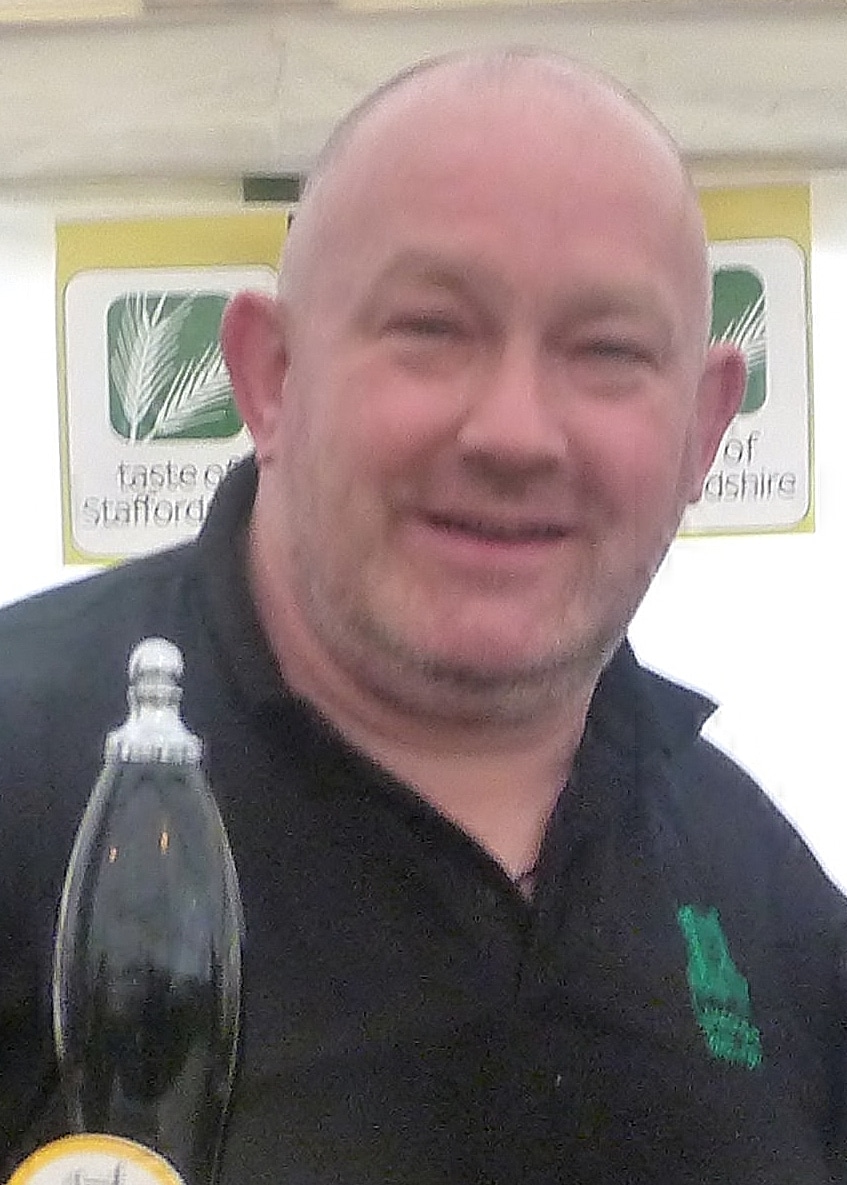
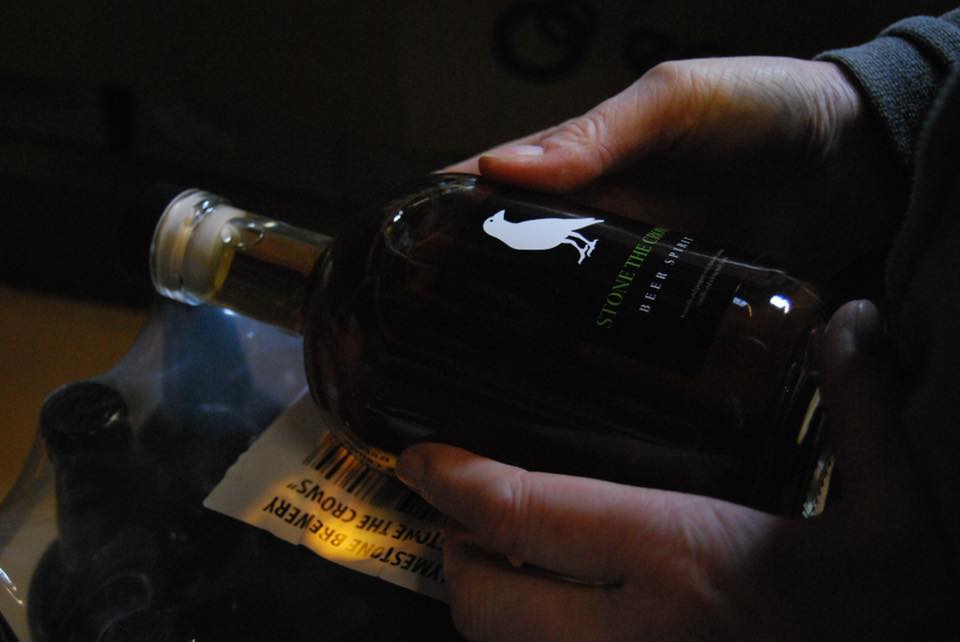
Brad from Lymestone
“Forty years ago my dad didn’t know anyone wealthy enough to drink spirits. You only saw people drinking spirits on the TV. Nowadays, you can buy lethal amounts of whisky and other spirits at supermarkets at cost price. If beer duty goes up again next week, wine and spirit duty will be comparatively cheaper. That can’t be right.”
Earlier this month, Keith Bott, the managing director of Titanic Brewery – which runs the Royal Exchange in Stone as one of its fleet of Staffordshire pubs, said: “With 300,000 young people employed in the industry it is clear that with the right policies in place, pubs could be an engine for growth and create new jobs for young people. The Government must now call time on this unfair policy which is destroying jobs in a traditional British industry.”
Article continues after this message
Keith, who is also chairman of the Society of Independent Brewers (SIBA), added: “We need the Chancellor to stop the beer tax escalator to ensure a strong brewing industry which provides local beer and local jobs for local people. The current Government policy is counterproductive, as it is shutting down pubs, and costing jobs. Instead, we could be creating jobs, and helping to lead the country out of recession. as well as ensuring that much loved local pubs can prosper.”
Brad is dead right. And minimum pricing, based on ABV, would also solve the other major problem faced by pubs, namely, the loss leading price of tins of beer in supermarkets.
This website uses cookies to improve your experience. We'll assume you're ok with this, but you can opt-out if you wish. Cookie settingsACCEPTREJECT
Privacy & Cookies Policy
Privacy Overview
This website uses cookies to improve your experience while you navigate through the website. Out of these cookies, the cookies that are categorized as necessary are stored on your browser as they are essential for the working of basic functionalities of the website. We also use third-party cookies that help us analyze and understand how you use this website. These cookies will be stored in your browser only with your consent. You also have the option to opt-out of these cookies. But opting out of some of these cookies may have an effect on your browsing experience.
Necessary cookies are absolutely essential for the website to function properly. This category only includes cookies that ensures basic functionalities and security features of the website. These cookies do not store any personal information.
Functional cookies help to perform certain functionalities like sharing the content of the website on social media platforms, collect feedbacks, and other third-party features.
Performance cookies are used to understand and analyze the key performance indexes of the website which helps in delivering a better user experience for the visitors.
Analytical cookies are used to understand how visitors interact with the website. These cookies help provide information on metrics the number of visitors, bounce rate, traffic source, etc.
Advertisement cookies are used to provide visitors with relevant ads and marketing campaigns. These cookies track visitors across websites and collect information to provide customized ads.






1 comment
Richard Stevens
Brad is dead right. And minimum pricing, based on ABV, would also solve the other major problem faced by pubs, namely, the loss leading price of tins of beer in supermarkets.