


Staffordshire County Council is planning to increase council tax by 3.99 per cent for the 2026/27 financial year, under the first full budget set by Reform UK since taking control of the authority.

Reform leaders say the proposed rise shows their commitment to keeping charges as low as possible, with the increase coming in below the 4.99 per cent maximum councils are allowed to set without triggering a local referendum.
If approved, Band D households in Staffordshire would pay £1,686.42 to the county council next year. That is an increase of £64.71.
Reform UK took control of Staffordshire County Council following the local elections in May and pledged to make efficiency savings while keeping council tax low, arguing this would offer better value for residents.
The party’s cabinet member for finance and resources, Chris Large, said the proposed budget shows progress towards those aims, despite pressure to set a higher increase.
But opposition Conservative councillors have criticised the plans, claiming Reform voters will feel let down and arguing that the budget largely follows plans inherited from the previous administration.
Savings and investment plans
The budget includes £21.5 million of savings, with the largest share coming from care commissioning. These savings include reviewing care packages, block booking care home beds, and ensuring future fee increases are described as fair and affordable.
Alongside this, the council is planning to invest an additional £5.5 million in children and family services. This funding would support the recruitment of 119 new staff, with a focus on early intervention.

Speaking about the overall approach, Cllr Large said:
“We’ve only been in seven months and I’ve worked hard with the officers to pin down costs, to review and really play hard ball on contract negotiations, so that we could bring in as low a council tax increase as possible.
“I would have loved to have come in at 2.99 per cent, but we’ve got to maintain all of the services we want to do, and we also got to grow our service offering.”
He added that central government had pushed councils towards the higher limit.
“The government were really pushing us hard to go with 4.99 per cent, but if we can comeслан 3.99 or 2.99, that’s my goal. At the end of the day, as council taxpayer in Staffordshire I want to get value for money.”
On children’s services, he said the additional investment was a deliberate choice.
“If we hadn’t put in that £5.5 million we could have taken another one per cent off council tax, but it’s so important that we start doing early intervention.”
Smaller savings and borrowing plans
Among the smaller savings proposals are a £30,000 reduction in spending on grit bins and a £47,000 saving linked to school crossing patrols. These proposals have drawn attention given recent snowy conditions across Staffordshire.
Cllr Large said the school crossing patrol proposal would not affect frontline staff and defended the focus on smaller savings.
“This demonstrates how much detail we’ve gone into, because every penny counts. £30,000 is taxpayers’ money.”
The budget also includes plans to borrow an additional £15 million to fund pothole repairs, with repayments expected to cost around £700,000 a year. Highways will be one of nine strategic reviews planned for 2026, aimed at improving efficiency.
Other services expected to be reviewed include legal services, libraries and trading standards, with Cllr Large stating there would be “no sacred cows”.
Opposition criticism
The leader of the Conservative opposition group, Philip White, said Reform had failed to deliver on its promises.
“The many people who voted Reform in May expecting to see their council tax cut will feel betrayed by this near four per cent rise.
Reform said they would find huge savings by eliminating the wasteful spending they claimed existed at Staffordshire County Council, but they have found no waste and this budget is largely a roll-over of the previous plans set by the Conservatives.
“The budget changes that have been made include reductions to funding for grit bins, road drainage, school crossing patrols and community safety but an increase in spending to pay for Reform’s political assistant.
More worryingly, what was previously a three-year balanced budget is now only balanced for this year, which creates real risks for council services in future years.”
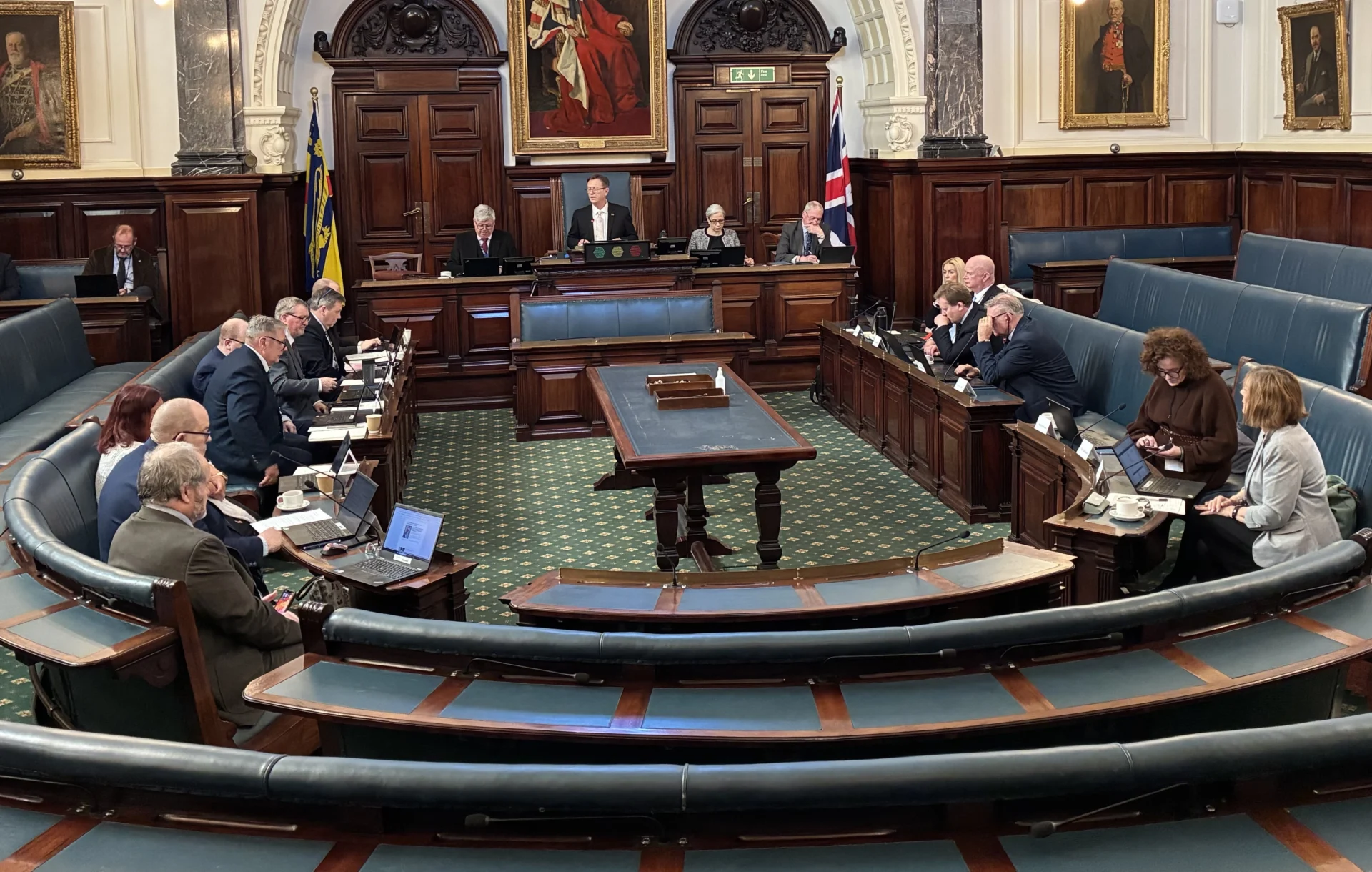
The county council’s budget is due to be approved at a full council meeting in February.



Related Posts:



1 comment
Annette Bloor
I note that £15 million is to be borrowed to fund mending potholes. Can you tell me if it has been Council policy in the past to fund services by borrowing & if so how much has generally been borrowed per annum & what is currently the outstanding debt?