

Households in Stone are set to start receiving new food waste caddies from this week, ahead of a major change to bin collections across Stafford Borough.
The new service, which starts on Monday 13 April 2026, will mean food waste is collected separately each week from homes across the borough, including Stone. Stafford Borough Council says around 60,000 properties will receive the new containers as part of the rollout.
For most people, it will mean another small change in the kitchen, and another container to keep track of outside.
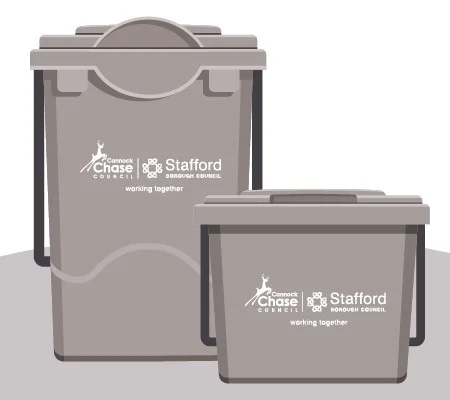
Residents are due to receive two caddies, a small seven litre kitchen caddy for indoor use, and a larger 23 litre kerbside caddy, along with a roll of liners and information on how the scheme will work. The council says there will be no extra charge for either the equipment or the service.
The new food waste collections will run alongside existing bin rounds for green, blue and brown bins.
That means leftover food that would usually end up tied in a black bag can instead be put aside for separate collection.
The council says accepted items include fruit and vegetable peelings, meat and fish, bones, tea bags, coffee grounds, eggs and dairy products.

Liquids, oils, fats, packaging and garden waste should not go in the caddies.
Councillor Ian Fordham, Stafford Borough Council’s cabinet member for environment, said the move was being brought in because councils are now required to provide a separate food waste collection service.
He said the scheme had been funded by central government and would be introduced alongside residents’ usual recycling and waste collection days.
Once collected, the food waste will be sent to an anaerobic digestion plant, where it can be turned into energy. Material left over from the process can then be used in agriculture to help improve soil.
The council says food waste currently makes up around a third of household rubbish that is incinerated, with the average household throwing away around £800 of edible food each year. It hopes the new weekly collections will help increase recycling rates and cut the amount of waste going in the general bin.