Today, we start a new series, aimed at getting more young people engaged with local politics in order to help shape the future of Stone.
Over the course of the following months our correspondents, Alleyene’s Six Formers Dylan Galloghly and Ella Battersby, will chat with important, influential figures in our town to provide insights into why young people should get involved – and how. We begin our series with Stone Town Councillor, Jill Hood.

But first – why Jill? We reached out to Jill Hood because her commitment to getting young people involved in local politics perfectly aligned with our vision for this series, and we felt she could offer us great insight and advice on our journey.
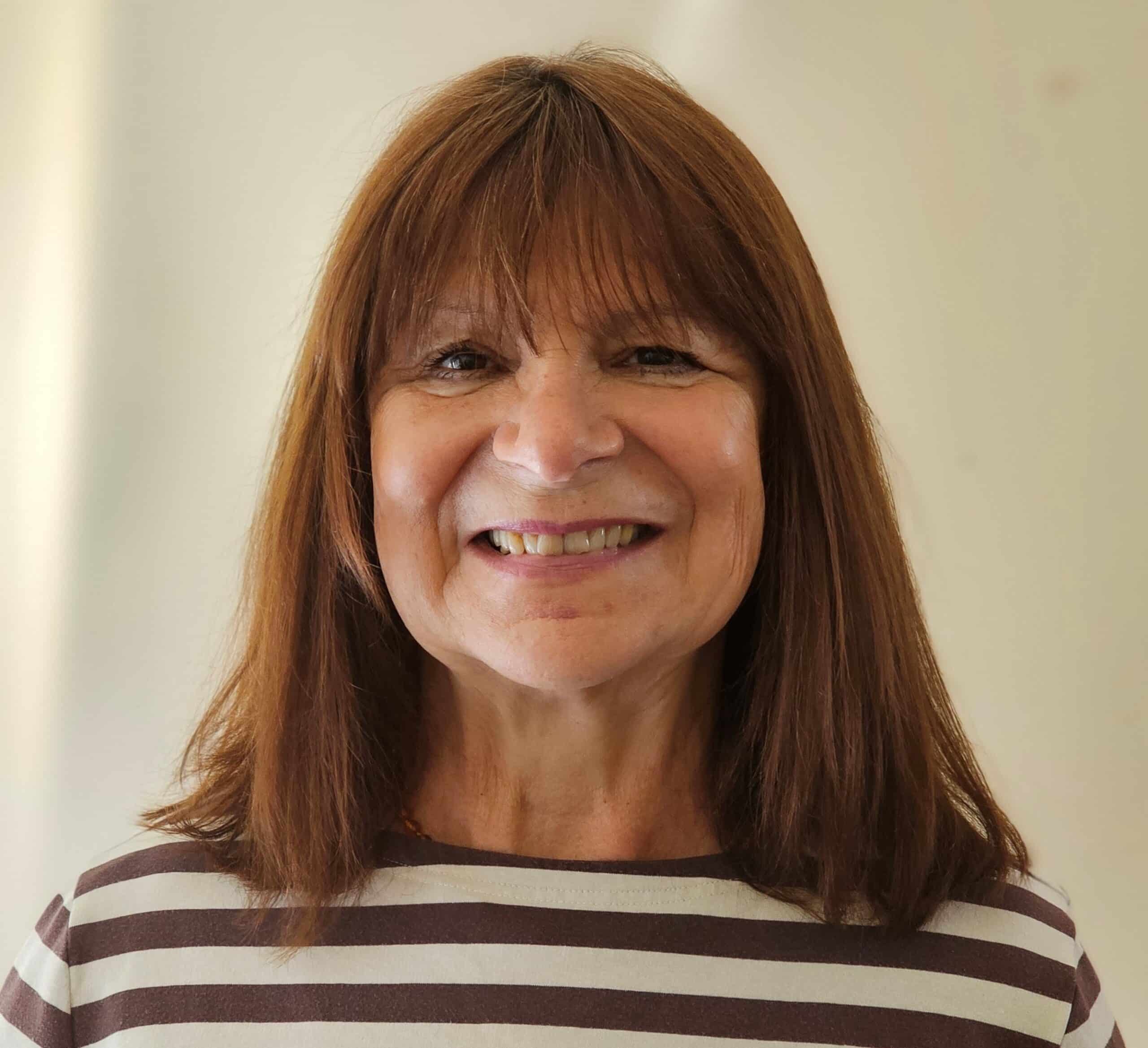
Jill Hood is a familiar figure to anyone in Stone; whether the topic is the new play facilities at Westbridge Park, the newly opened Crown Wharf Theatre or the annual Armistice Day commemorations at the Stone Cenotaph, Jill is always there to be seen, representing the people of Stone and ensuring that our voices are heard. Yet despite her range of commitments, what struck us most is that Jill possesses such a detailed knowledge of the residents of Stone, indicative of the pride she takes in her position. To begin this series of articles, we wanted to understand how she came to be involved, why she feels so passionate about local issues and how she feels that the younger generation can make difference to the town’s future.

What drew you to local politics?
The irony is that I don’t really have an interest in politics, as such. But, thanks to my upbringing, I do have a strong sense of justice. There were a couple of events that drove me to get more involved to try and make a positive change. Firstly, some years ago, my father was treated in Stafford Hospital and, unfortunately, I saw the failings of the hospital at first hand in terms of the patient care at that time. I was frustrated and disillusioned with the lack of support that local politicians were able to provide – in fact, it wasn’t until the issue eventually went to the Houses of Parliament and became known as the ‘Stafford Hospital Scandal’ that my local MP showed any interest at all.
Around the same time, I saw the growing issue of homelessness/sofa surfing among the young people of Stone and, again, found it incredibly difficult to get any local councillors to take it seriously.
So, I decided to stand as a town councillor to try and provide a voice to local people and implement some of the positive changes that I thought were important.
It seems that making any kind of positive change is a long and difficult road with no guarantees of success. Why should young people want to get involved?
I think we’re at a point now where technology is beginning to play an increasing role in getting things done and the younger generation are perfectly placed to take advantage of this, often more so than those of us who haven’t grown up with tools such as Social Media.
Young people are highly intelligent and they’re right when they say that it can seem pointless – enquiries often run for years and years and are financially draining. If you look at previous scandals, such as the Hillsborough enquiry and the haemophilia blood scandal, these extended over many decades before reaching any kind of resolution. But then you look at the Post Office scandal and, yes, while it had its roots back in the 1990s, the enquiry has moved much more quickly than some of the others and I think that’s down to the additional element of Social Media and how that can be used to amplify and spread information which helps to apply pressure and, hopefully, get things moving more quickly.
Looking at Stone itself, each neighbourhood has its own Social Media presence and I’m invited on to all of them. Whereas, in the past, I would need to wait for someone to write me a letter or stop me in the street to raise a concern, Social Media allows me to see the conversations in real-time and understand the issues much more quickly than before – and once you understand the issues, you can start taking steps to address them. It means I’m able to walk into a Chief Executive’s office and not only tell them about a reported problem but provide them with supporting evidence, collected quickly and comprehensively through apps such as WhatsApp, Facebook and Instagram. Social media has meant that problems have become harder to ignore.
So, I’m hopeful that, when used for the right reasons, Social Media can be used a very positive tool for change and young people are the people who have the skills to use it most effectively.
A pressing issue for our generation is the climate crisis. How do you feel young people can play a role in combatting this?
I am confident that you will be the generation to lead the environmental change and a major contributor I believe we are all responsible for is waste. The convenience that nationwide clothing retailers provide is often more attractive than making conscientious choices and I am hopeful that the younger generation will make hard decisions to put the planet first.
In recent years, I travelled to India where I was exposed to the complicated relationship many communities had with environmental issues. I learnt that when making change for good, we are responsible for insuring that this won’t have a negative effect on the livelihoods of people in turn. I can’t recommend travel enough as an educational tool.
How much change can young people make, whether it be in local politics or in wider society?
I think they can make a big change, and young people already are making a difference! People like Jack Rose on the borough council and both Jason Metters and Kerry Dawson on the Stone town council; these young people see things very differently and have some very good ideas on such crucial topics as climate change, which are so important to future generations.
Crucially, these councillors are not afraid to voice their opinion and challenge established views to put positive change into effect. I just wish we had more of them!
I want to ask young people “Why not get involved?”. Once you’re 18, you don’t need to wait to be invited or asked to stand for election. Although town council isn’t a paid position, it’s a great place to start.
It was a privilege talking to Jill and her passion for the area really shone through. The resulting message that stuck with us was one of opportunity for younger people in our market town and that involvement in local politics is more accessible, and less elusive, than it may seem.
Once again, we offer Jill our many thanks for her time and insight. As our journey to engage young people in local politics continues, who would you like to see us interview next?



Related Posts: