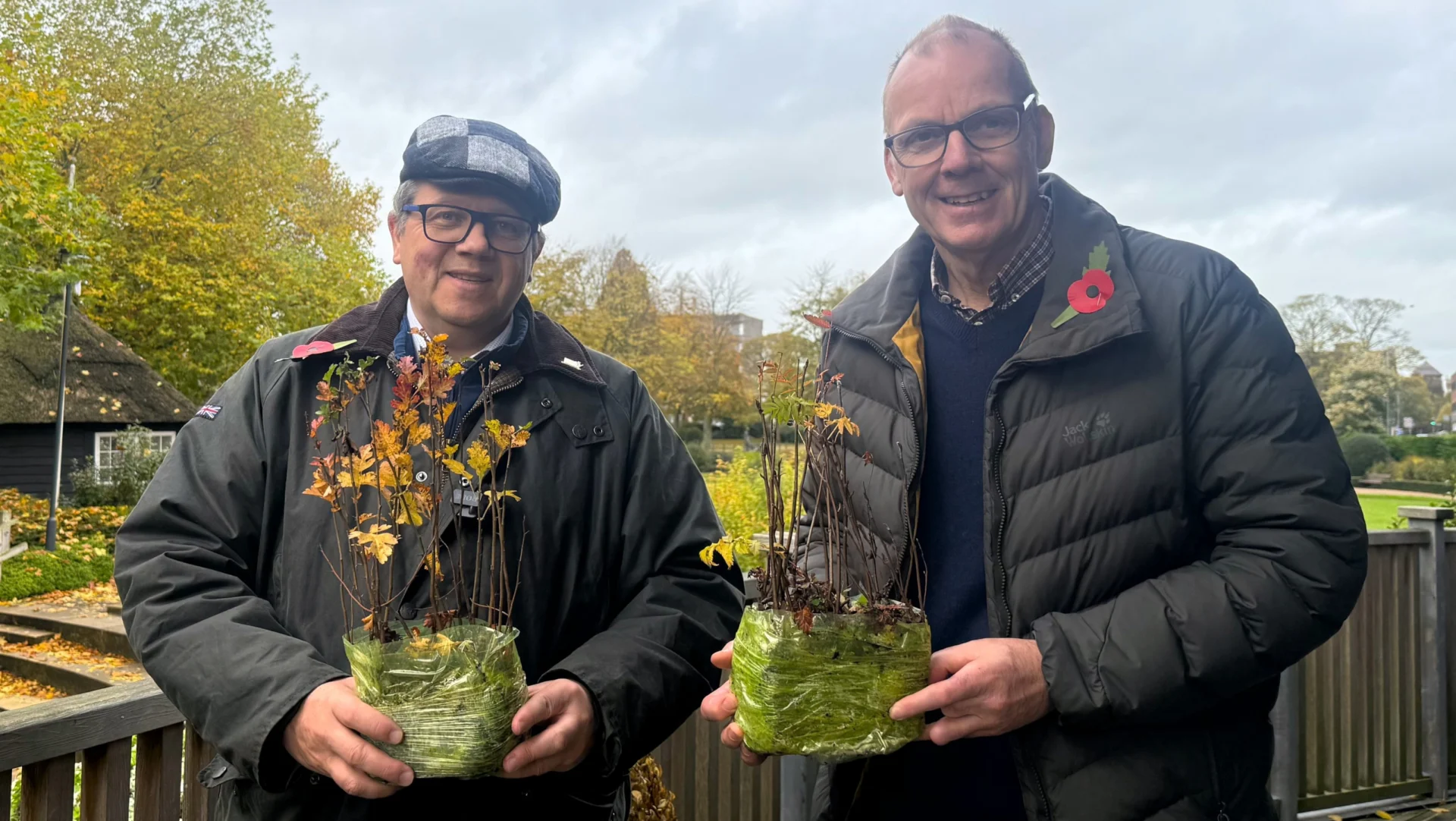

Staffordshire County Council’s new Reform UK administration has put a stop to the sale of county farms during its first 100 days in power.
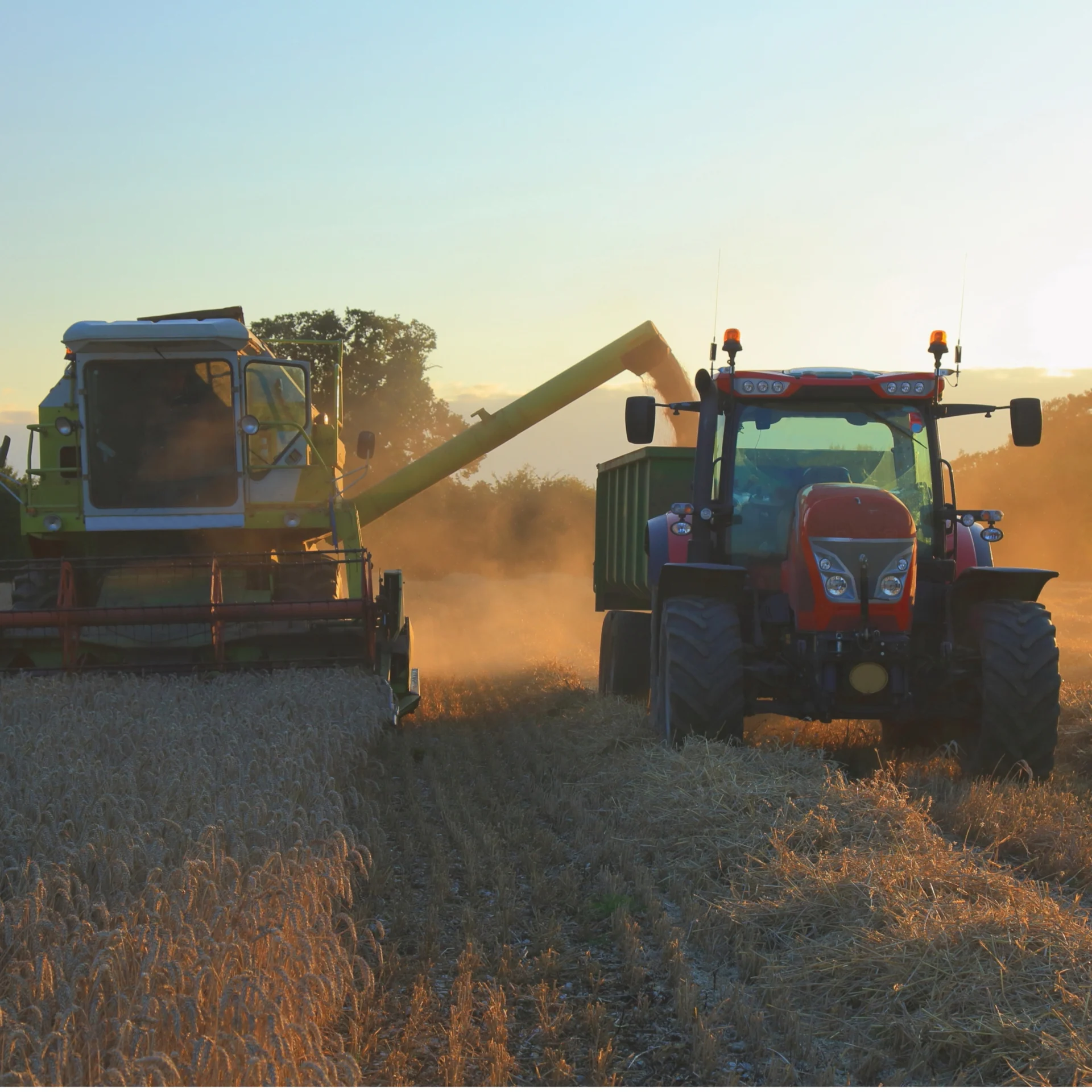
Cabinet members have also said they are against using land on the county farms estate for large-scale renewable energy projects, such as solar panels or battery storage systems, though they will look at using existing buildings for smaller schemes.
The future of the county farms has been debated for years. Back in 2008, a Labour administration considered selling many of them, a move dropped after strong opposition from the farming community. Some sales have gone ahead since, and in 2019 the then Conservative leadership announced plans to sell 16 farms from its rural estate to raise about £20 million for services including health and infrastructure. Sites sold included farms in Rugeley, Gnosall, Eccleshall and Hilderstone.
The county farms estate dates back to 1908 and covers around 6,500 acres, with 63 equipped tenanted farms still in operation. The holdings provide opportunities for new entrants to farming as well as those looking to progress. Most focus on dairy or livestock, while a few specialise in arable work.
In a post on social media platform X, deputy leader Martin Murray said:

“As soon as we took control of Staffordshire County Council, I found out that the Conservatives had sold off nearly half of our county farms, leaving just 63 remaining farms. Immediately we stopped all proposed future sales and we have now put a total ban on the sale of County Farms.
“Why? Because we believe in food security, we believe in helping new farmers, young farmers get on the ladder to feed our nation.”
A council performance report described the suspension of sales as one of the administration’s “100-day delivery highlights”. It also confirmed that the authority has told government it will not support renewable energy production or storage on productive farmland within the estate, though it will back opportunities on buildings and brownfield sites.
Councillor Jack Rose, the authority’s first Green Party member, welcomed the decision:
“I would like to express my support for the policy of suspending the selling of county farms. I think that is a good decision, especially in a cost-of-living crisis that’s affecting our residents.
“It’s important to protect the future of our agricultural productivity in our county. Not only does this benefit the local economy, by ensuring long-term job security, but also protects us from rising food prices in an increasingly uncertain global market.”
He added that he agreed with the council’s stance against solar farms on agricultural land but supported plans to explore renewable energy on farm buildings.
Councillor Chris Large, cabinet member for finance and resources, said each farm would be considered individually.
“The main aspect is food production. Every farm is different and we’re developing a strategy for that.
“Where we encourage solar panels onto farm buildings, that will be to reduce the carbon footprint of that, and that’s a sensible thing to do. We would advocate that, but not the battery energy storage system solar farms – we are opposed to that approach.”