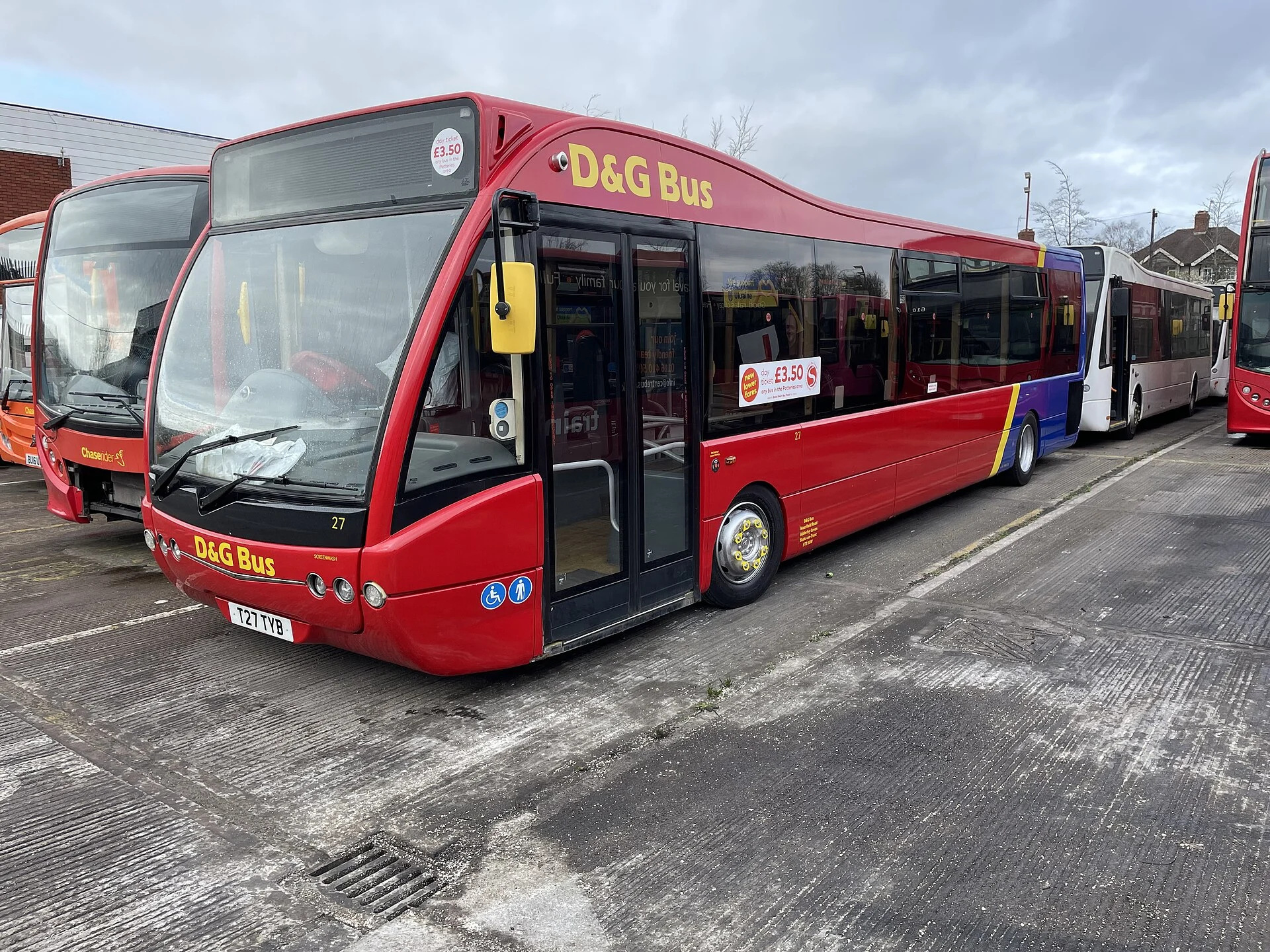


More than £5 million in funding has been allocated to improve bus travel in Staffordshire, with key upgrades planned for 2025/26.
The government has awarded Staffordshire County Council £5.26 million in capital funding to implement its Bus Service Improvement Plan (BSIP), approved earlier this year. The plan includes projects such as refurbishing bus stations and upgrading bus stops across the county.
Council officials are now awaiting detailed guidance from the Department for Transport (DfT) to determine how the funding can be utilised.
Additional Revenue Support
In addition to the capital funding, Staffordshire has been allocated £5.1 million in revenue funding to help stabilise current bus services. Most of this amount was previously announced as part of the Network North transport programme.
Mark Deaville, Staffordshire County Council’s cabinet member for strategic highways, welcomed the funding:

“We want Staffordshire people to be better connected with improved travel options. Although the county council doesn’t run buses, we have worked hard to ensure we have the best possible funding support from the Department for Transport. This funding will stabilise the bus network and allow operators to develop innovative plans to attract passengers back to buses.
“Bus services not only get people to and from work and the classroom, but also support town centre businesses and reduce carbon emissions by encouraging people to leave their cars at home. We’ll work closely with operators to ensure we get the best outcomes for Staffordshire residents.”
Challenges for Staffordshire’s Bus Network
The county’s bus network currently includes 19 operators running over 200 services. However, passenger numbers have declined sharply in recent years, with journeys falling by 44% since 2017.
Public subsidies now account for the majority of funding to keep these services operational, as fares contribute less than 50% of the costs.
Ambitious Plans for the Future
Staffordshire’s BSIP seeks to reverse the decline in bus travel by improving reliability and connectivity. Key projects in the plan include:
- Bus station refurbishments in Leek and Lichfield.
- A mobility hub at Keele University.
- Upgraded bus stops along key routes, with features such as real-time passenger information.
The council’s June cabinet report estimated that delivering all BSIP proposals from 2025 to 2029 would require £32 million in revenue funding and £23 million in capital investment.
Next Steps
The county council plans to announce specific projects once the DfT provides further guidance on the allocation of funds. In the meantime, council leaders remain focused on working with bus operators to deliver a sustainable and comprehensive transport network for Staffordshire residents.