

After years of research, conservation, cleaning and reconstruction, secrets from the field of gold, where the Staffordshire Hoard was found, are still being revealed today.
For centuries the largest ever haul of Anglo-Saxon treasures known in Britain lay untouched in a farmer’s field until the summer of 2009, when a metal detector enthusiast quite literally struck gold.
In a month long excavation project, more than 3,500 pieces of Anglo-Saxon gold and silver were unearthed. The cache amounted to 5.094 kilos of gold, 1.442 kilos of silver and 3,500 cloisonné garnets and was valued at £3.285 million.
But the story of the Hoard continues to evolve seven years on. Hundreds of small pieces have been painstakingly reassembled to recreate the objects they once made up and are now on display at a dedicated gallery in the Birmingham Museum, revealing even more about who owned it and how it ended up in a Staffordshire field.
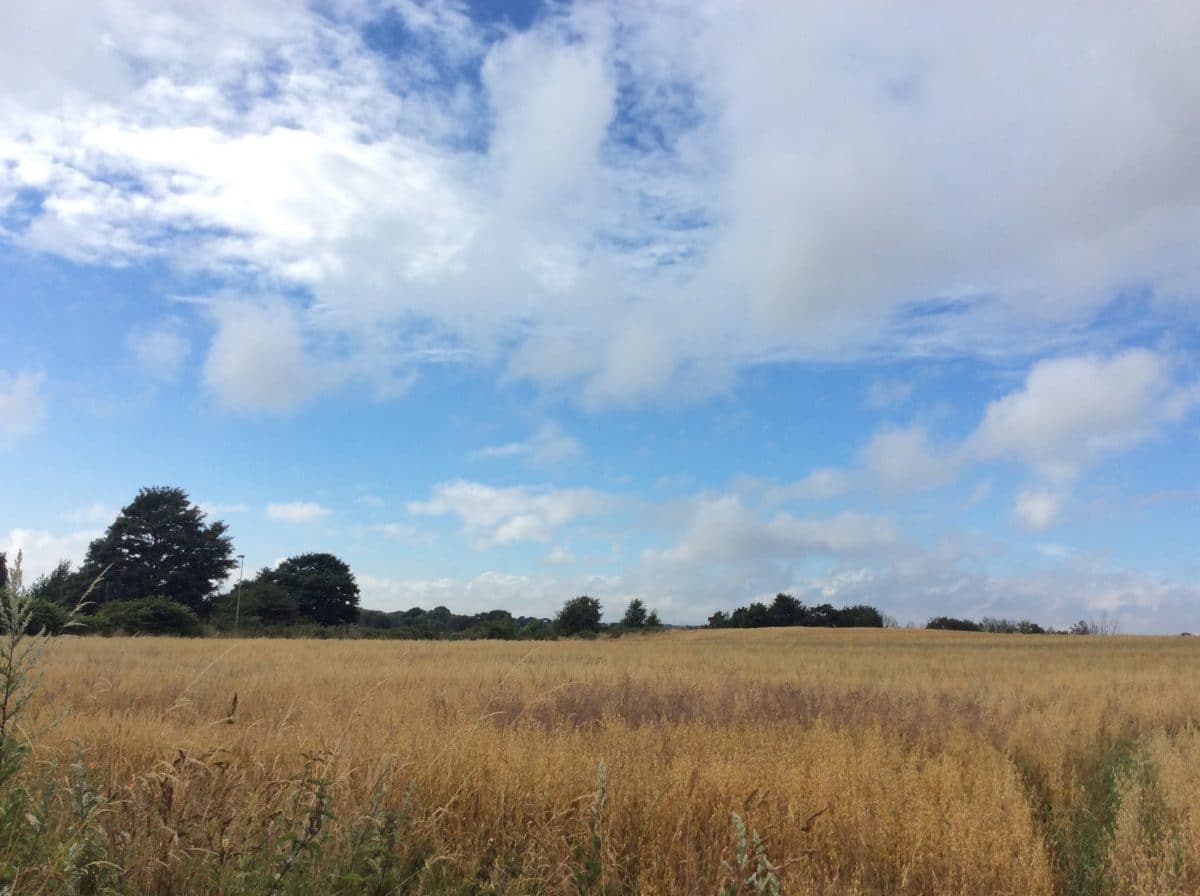
Now, Fred Johnson, owner of the field where the items were discovered, and Staffordshire County Council’s Principal Archaeologist Stephen Dean who led the excavation work, have met up on the momentous spot on Fred’s land to relive the discovery.

In a rare interview, the farmer reveals how he woke up to news that archaeologists believed they were unearthing the most important find in modern times.
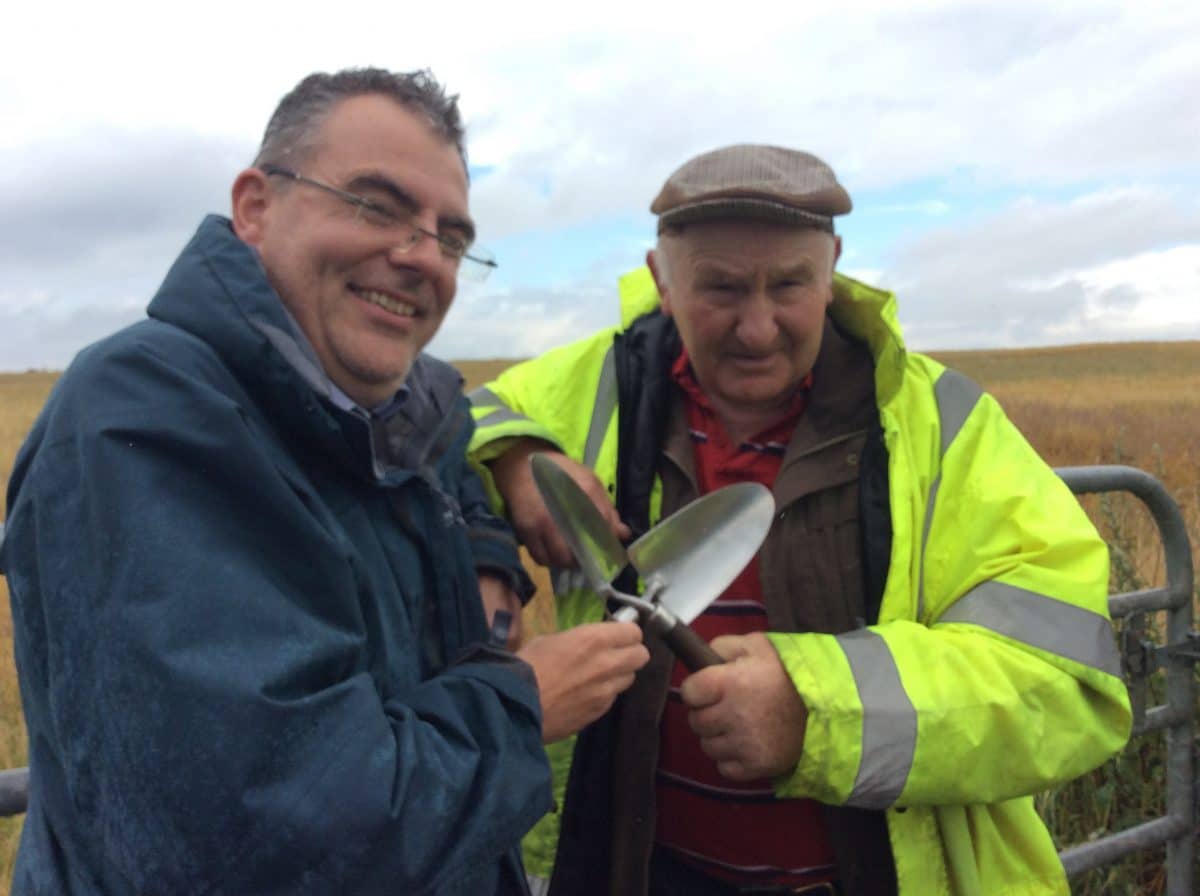
Fred said: “It’s certainly something I will never forget. It’s still strange that I lived on the land for so many years and had no idea anything of the sort was buried underneath it. It probably took a couple of months until it actually sunk in; it was only when I saw the team of archaeologists in the field filling up the bags that we realised it was a big deal.
It’s been a busy seven years but life goes on. I’ve tried not to let the find change my life too much, but it has allowed me to make some very sensible investments.”
For archaeologist Steve, it was not just a field of gold, but a field of dreams as they combed the land for pieces of the incredible collection. Steve said: “It’s really exciting being back in the same field where seven years ago we were excavating the world’s largest find of Anglo-Saxon treasure. It’s still an incredible story and most amazing find I’ve been involved with.
“While we may never know the true story of how it ended up buried in a Staffordshire field, we’re still learning more and more about it each year. The question that everyone asks is how it got there and for me, I still believe it was more than likely a angst hoard which was hidden during times of great strife and never reclaimed.
“Now, with many items reconstructed we are getting a clearer picture of how these intriguing items were used, before they were buried some 1,300 years ago.”
Philip Atkins, Leader of Staffordshire County Council added: “The discovery of the Hoard is an amazing story and still has people talking today. It’s hard to believe it was seven years ago but it’s certainly helped to put Staffordshire on the international map. With designs of the objects now being linked to many regions across Europe, it’s now part of our fascinating history and giving people another great reason to visit Staffordshire.”
Since its discovery, the Hoard has been a focus of world-wide interest including the Vatican when a replica of a cross found in the hoard was presented to the Pope as a gift.
The Hoard was purchased by Birmingham Museum and the Potteries Museum, Stoke-on-Trent where it is on display. In late 2012, the Hoard field was ploughed again and a further 81 small items, including a second ‘cheek piece’ were found.



Related Posts: