

A little piece of Stone’s industrial heritage has been carefully restored, thanks to a partnership between skilled craftspeople and the Canal & River Trust.
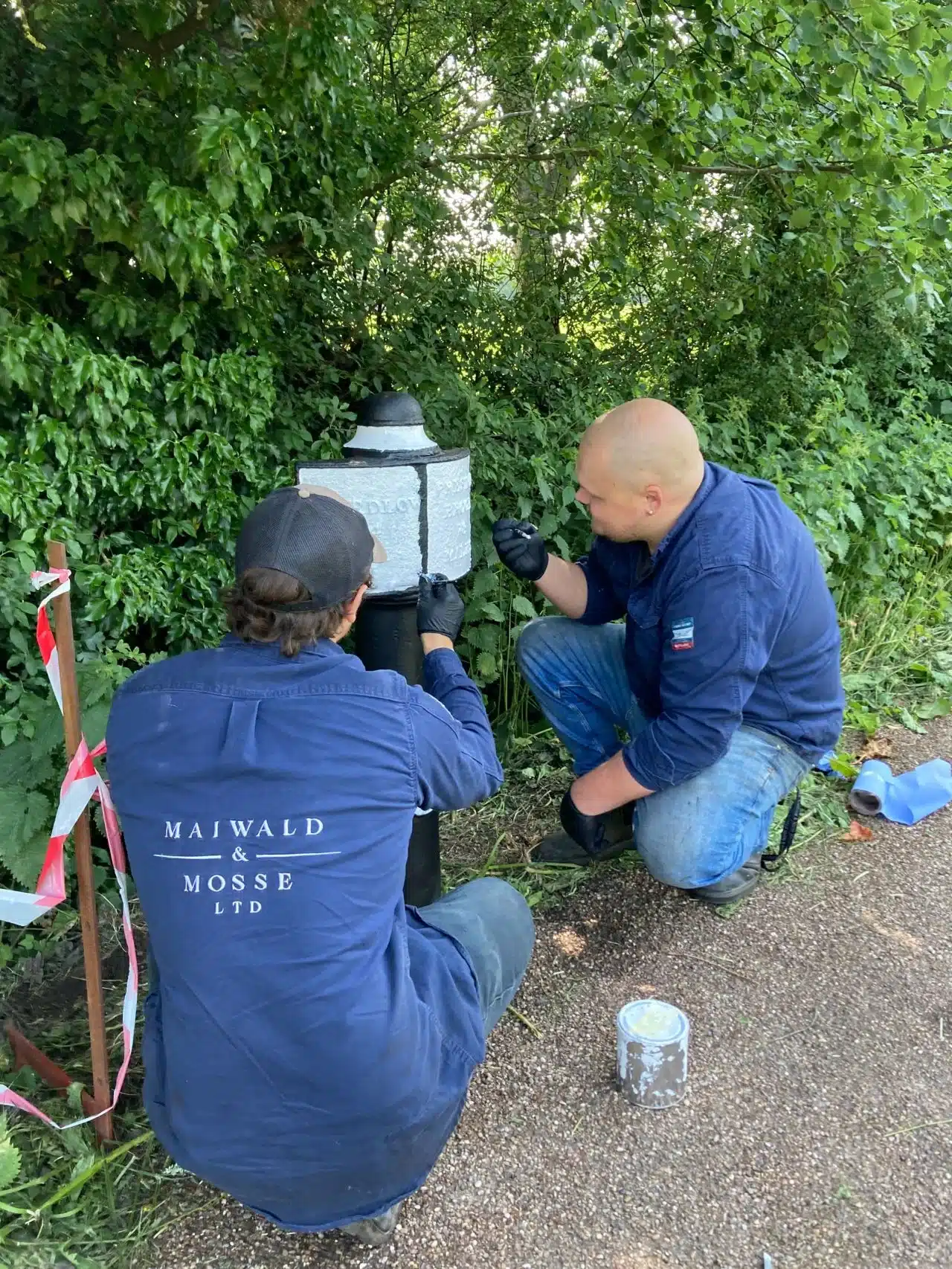
Built Heritage Consultant Mark Somerfield shared that over recent weeks, conservation blacksmiths John Mosse and Gordon Maiwald have been restoring a number of cast iron mile markers along the Trent & Mersey Canal. Many of these were originally made right here in Stone.
These distinctive markers were cast in 1819 by Rangeley & Dixon, a foundry based in the town during the height of the canal’s industrial use. Although many were removed during the Second World War, volunteers from the Trent & Mersey Canal Society managed to recover and reinstate several during the 1970s and 80s.
This summer, John and Gordon have carefully conserved the markers, repainting details, treating the ironwork, and securing each one so they remain part of the canal landscape for years to come.
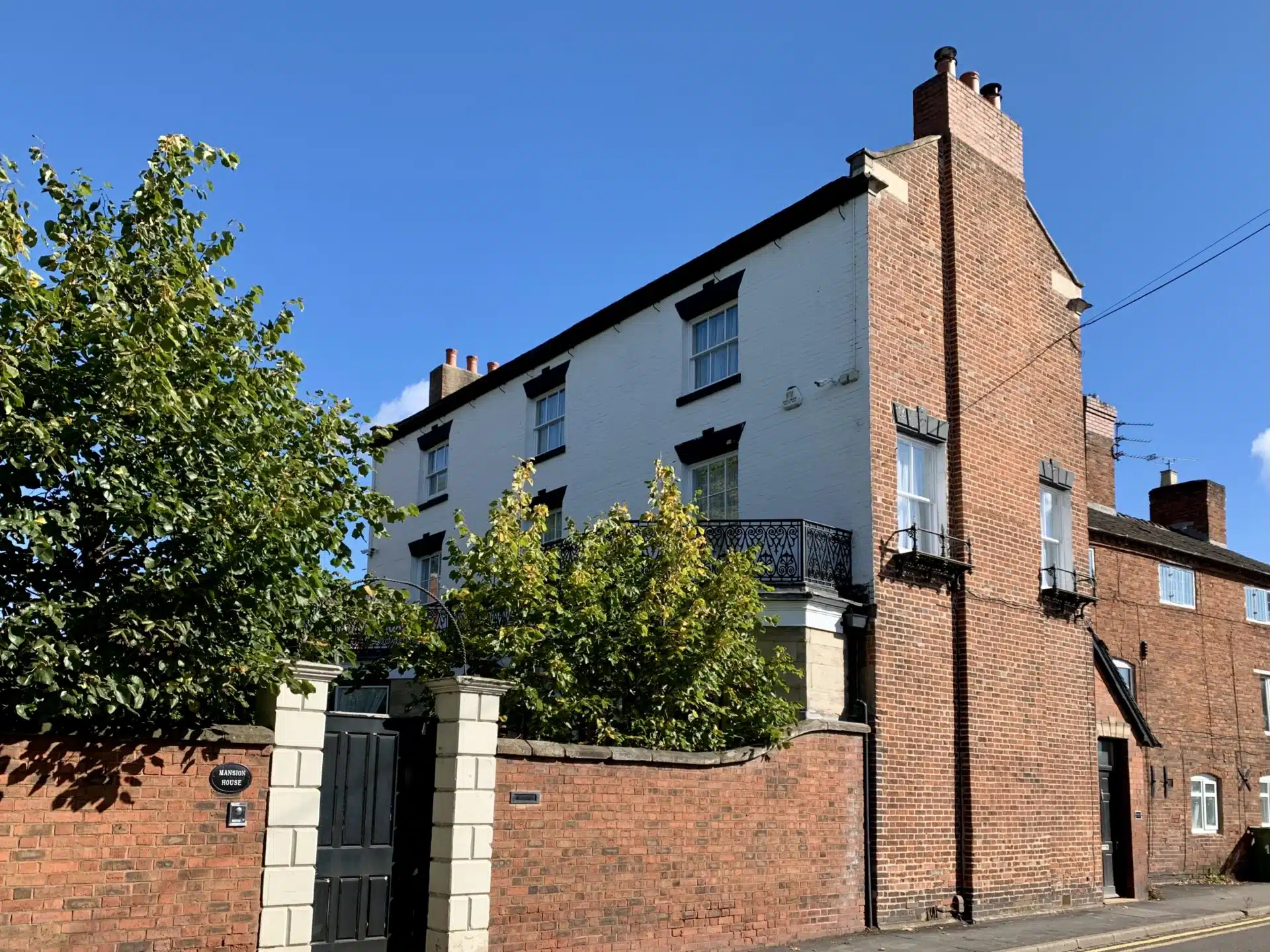
John Rangeley of Rangeley & Dixon lived and based his foundry at Mansion House on Lichfield Street in Stone. The property features an ornate cast iron balustrade, a fitting reminder of the skills and craft once found within its walls. The property is now Grade II listed and recorded by Historic England. View the listing
The Trent & Mersey Canal continues to be a much-loved feature of the town, popular with walkers, boaters, and those interested in local history. These mile markers add to the character and help tell the story of how the canal once served as the backbone of trade in the area.

The canal was completed in 1777 following the death of engineer James Brindley, with much of the final work overseen by his brother-in-law and Clerk of Works, Hugh Henshall. Henshall later became involved in transport and wharf ownership along the route, playing an important role in the canal’s early commercial success.
Did you know?
- The Trent & Mersey Canal was officially opened in 1777 and stretches just over 93 miles
- Mileposts show the distance to Shardlow and Preston Brook, the two ends of the canal
- Hugh Henshall, James Brindley’s brother-in-law, helped complete the canal and later became involved in boat ownership and canal commerce
The Canal & River Trust regularly works with volunteers and heritage experts to care for these waterways and preserve important historical features.

If you are out walking the towpath, take a moment to look for one of the mile markers. They are an enduring symbol of the town’s engineering past and a testament to the people keeping that legacy alive today.