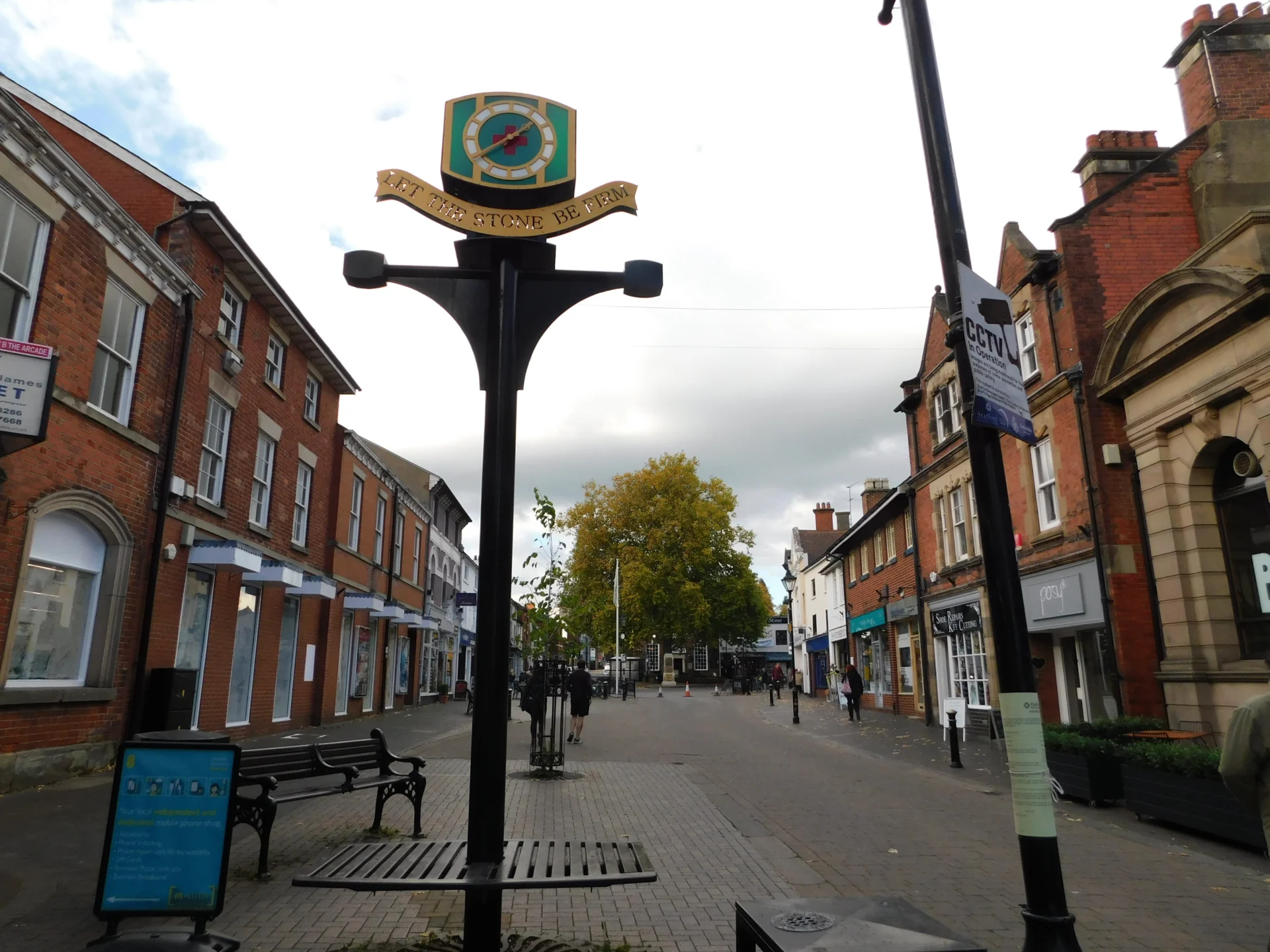

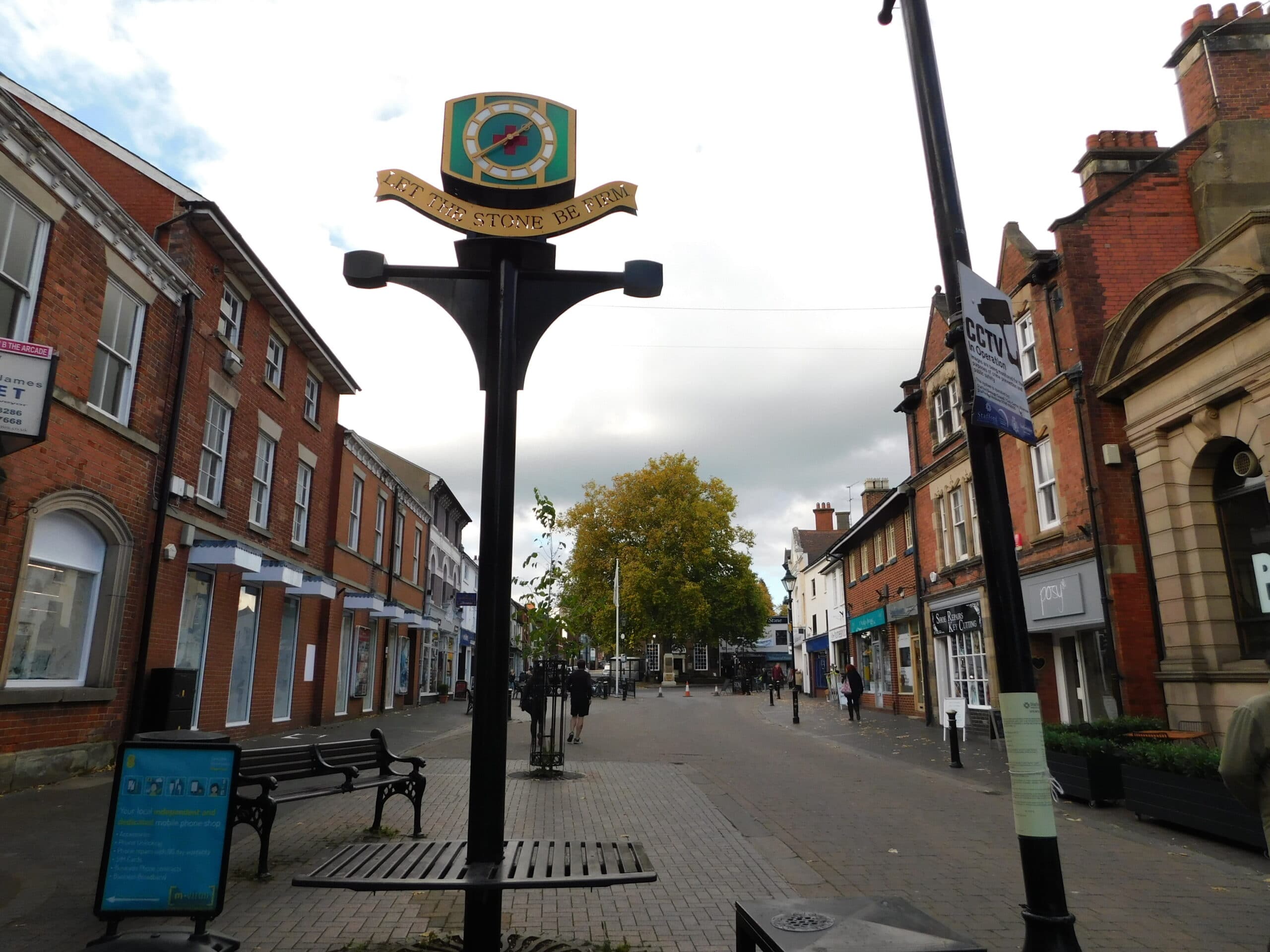
Stone community leaders have spoken out against plans to link the town with a South Staffordshire village as part of a shake-up of Parliamentary constituencies.
MPs and councillors representing communities in Stoke on Trent and Staffordshire also gave their views on the proposed changes at a two-day public hearing in Stafford this month. A number spoke in support of the plans for their areas – but Stone Town Council member Ian Fordham described proposals for his constituency as “a desk exercise to tidy up local government boundaries”.
The Boundary Commission for England is required to ensure the number of voters in each constituency is more equal and an independent review of all constituency boundaries is being carried out. A six-week consultation is currently underway on initial proposals put forward last year and residents can have their say until the 4th of April.
The proposals would see the number of constituencies in the West Midlands reduced from 59 to 57. Currently, Stone Town is located at the centre of the Stone constituency, which also includes Eccleshall and surrounding Stafford Borough villages, as well as parts of the Staffordshire Moorlands such as Cheadle and Blythe Bridge and a number of rural Newcastle Borough areas.
But a new Stone and Great Wyrley constituency is being considered. This would see the town located in the northwest corner of the patch and a number of Stafford Borough villages such as Milwich and Hixon joined with South Staffordshire areas including Penkridge, Brewood, Great Wyrley, Cheslyn Hay and Essington, which is on the Staffordshire border with the West Midlands.
Ian Fordham, who spoke on behalf of Stone Town Council, told the Stafford hearing:
“The council understands the need for periodic review of constituency boundaries to reflect demographic change. However, the council rejects the current proposal.
“We note that several hundred comments have been made about the proposed boundary as part of the recent consultation – almost without exception, they are highly critical. These criticisms have been received from councils, political parties and local residents.
“Stone is a market town lying at the heart of the current constituency and surrounded by outlying village communities. The proposal currently on the table removes most of these outlying communities and places them in three neighbouring Parliamentary constituencies.
“This looks like a desk exercise to tidy up local government boundaries and help reduce the number of West Midland constituencies. But it will cause a disconnect between the town and the communities it services. It also leaves Stone itself isolated at the far north of the proposed constituency.
“The proposal attempts to create an artificial connection between Stone – the largest town in the proposed constituency – and smaller towns 25 miles away in the far south. The north and south of the constituency have no direct public transport links, nor do they share health, welfare or leisure services.
“The recognition that the electorate are people, rather than statistics, seems to have been lost in the current proposal. There is a danger of unintentionally disenfranchising the local community as a result of a breakdown in cohesion.”
The proposals for the Stafford area would see the county town located to the east of its constituency. Eccleshall, which is currently part of the Stone constituency, would join with Stafford. And Barlaston, which is in the northern part of Stafford Borough, would become part of the Stoke on Trent South constituency.

Anthony Reid from Stone Labour Party agreed with the transfer of northern Stafford Borough wards to Stoke on Trent South, as well as Eccleshall and Gnosall moving into the Stafford constituency. But he voiced concerns about the Stone plans.
He said:
“We think that Stone Town being combined with Great Wyrley, having a snake seat that goes around Stafford and Cannock to connect two towns that have nothing at all to do with each other, is a very poor solution. Stone is really not served well by this.”
About the proposed changes, Chairman of Stone Town Conservatives, Steve Walley, told A Little Bit of Stone:
“It’s important that people understand that boundary reviews are an essential part of keeping parliamentary constituencies broadly equal in their numbers of eligible voters.
It’s also really important though that local ties are respected in any proposed changes. The new proposed constituency of Stone and Great Wyrley doesn’t take into account the community ties and shared services that Stone has with places like Eccleshall and Cheadle, so it’s not something we were in favour of.
The Stone Town Conservatives put forward a well thought out and credible alternative proposal to the boundary commission that we felt satisfied the population numbers but still maintained ties with our local neighbours, so let’s see what happens.”
Duncan Sandbrook, who spoke on behalf of Stafford Conservative Association and MP Theo Clarke at the hearing, said:
“We note local ties are preserved in Stafford by retaining the 12 urban Stafford wards. We agree that it would not be possible to keep the current Stafford constituency together without disrupting the Cannock Chase constituency, which is proposed to be unchanged and co-terminus with the local authority.
“Although it involves some disruption, we support the removal of Penkridge and Great Haywood from the (Stafford) constituency and the addition of the rural area from the western part of the current Stone constituency.
“We support the proposed Stone and Great Wyrley constituency. The combination of Penkridge, Cheslyn Hay and Great Wyrley, which are well-linked, is a sensible one.
“While we provisionally support the name Stone and Great Wyrley for the seat we note over 50% of the seat comes from South Staffordshire, which should be represented in the name. We agree that no alternative configuration of constituencies in Staffordshire would better reflect the statutory factors.”
Stafford resident Neil Thomas said:
“I recognise this task is extremely difficult and the rules you cannot change. I am very concerned about the Stone and Great Wyrley seat.
“With my own constituency my concern is not what is in the constituency – which I think makes sense – but rather with bits that are left out. A lot of villages to the east of Stafford really do belong to Stafford rather than Stone, and certainly not Great Wyrley and Essington.”