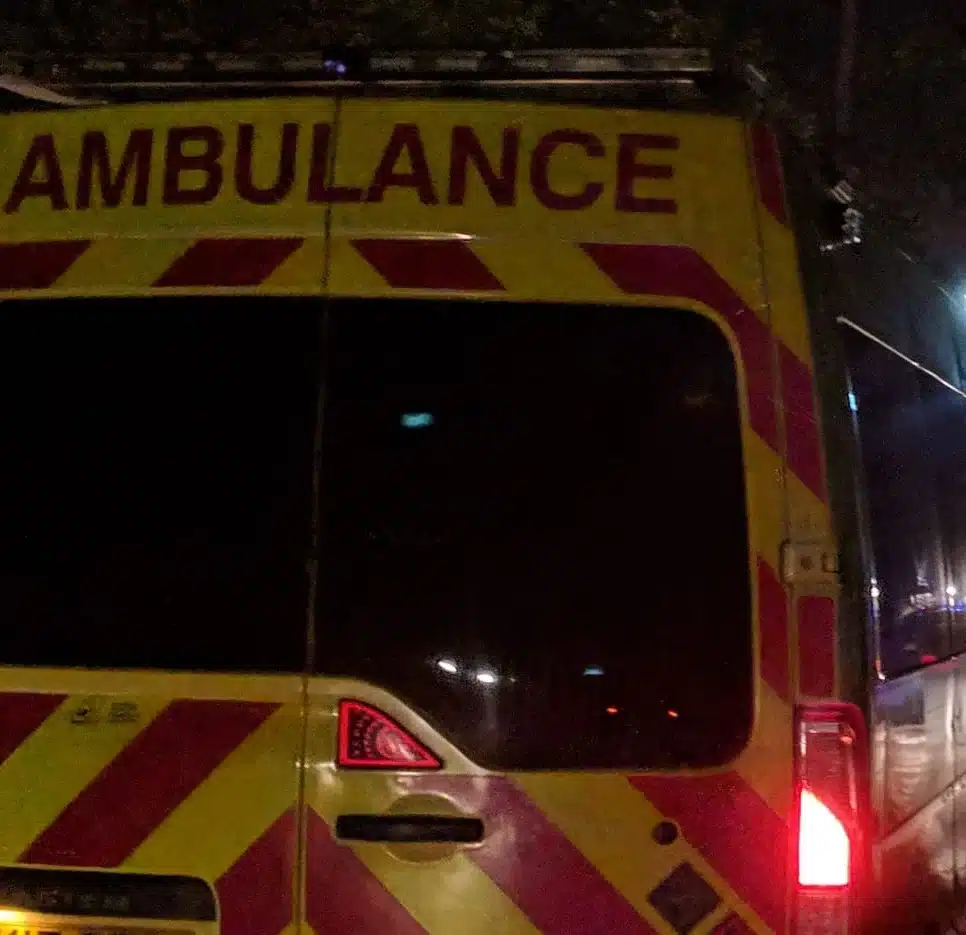

West Midlands Ambulance Service is considering turning down a national NHS offer to add more electric vehicles to its fleet next year, as it reviews how well the technology is working, particularly in areas where longer distances can be a challenge.

The trust, which covers Staffordshire including Stone, already has around 74 battery-powered vehicles in its 1,000-strong fleet. That includes 18 emergency ambulances operating in urban areas.
A further eight electric vehicles are due to arrive this year, with another 16 ordered for 2026 to 2027 as part of WMAS’s drive towards net zero carbon emissions.
But senior figures at the ambulance trust said they want to take stock before committing to any further expansion.
Speaking at a WMAS University NHS Foundation Trust board meeting, director of finance Karen Rutter said the service had been approached by NHS England about taking more electric vehicles next year.
She told colleagues,
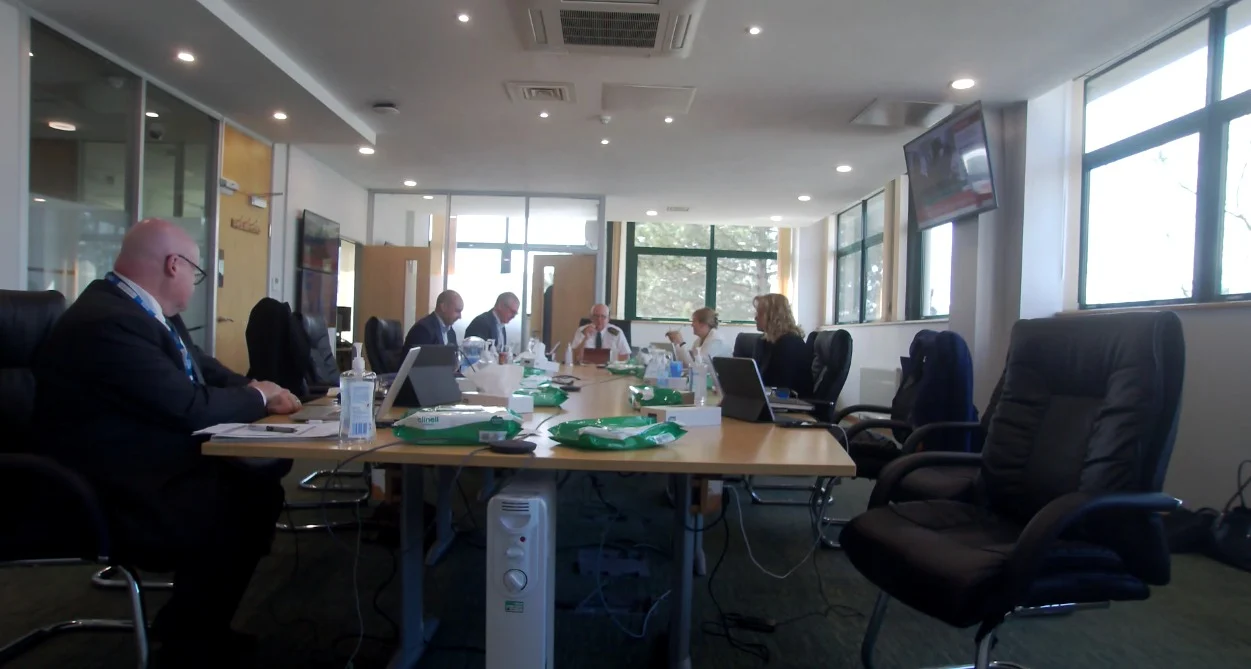
“We have had an offer from NHS England to say ‘can we do any more next year’.
“I haven’t really pushed that.
“We’re probably going to politely decline that because we want to have a look at how effective they are, whether we are having any issues.
“I think that’s probably the right thing to do.”
The issue is particularly relevant in counties such as Staffordshire, where ambulance crews often cover a mix of market towns, villages and longer rural routes, rather than working only in dense urban areas.
Board papers said current electric vehicle technology is still limited in some parts of the fleet, especially for frontline emergency ambulances, which are heavier and need to power extra onboard equipment.
WMAS introduced its first fully electric frontline emergency ambulance in 2020. According to the fleet strategy, that vehicle has shown electric ambulances can work in a “tightly controlled urban environment”, but challenges remain around range, charging times, reliability and access to auxiliary power.
The report added that the vehicle’s reliability has declined in later years, while maintenance costs have increased.
At present, the trust says there is only one viable base vehicle available to build an emergency ambulance on, the Ford Transit. But that comes with limitations, including a top speed of 70mph and a maximum range of around 100 miles.
Some of the next wave of electric ambulances are set to be trialled in Erdington and Sandwell, where journey patterns are more predictable.
The same report noted that rolling them out to more rural hubs would be more difficult because of the longer daily mileage and greater distances involved.
WMAS serves around six million people across Staffordshire, Shropshire, Herefordshire, Worcestershire, Warwickshire, Coventry, Birmingham and the Black Country.
One issue being watched closely is whether changes to Category B driving licence rules could allow drivers to operate heavier electric vehicles in future. Trust officials said that could open the door to more zero-emission ambulance options coming onto the market.
For now though, the trust appears to be taking a cautious approach, with questions still hanging over how well electric ambulances can meet the demands of areas beyond the region’s biggest towns and cities.

See more A Little Bit of Stone in Google
Add A Little Bit of Stone as a Preferred Source to make our stories more likely to appear when you search Google.