

Peeling away layers of old wallpaper is a standard part of renovating a home. Many properties across the area date back to the Victorian or Edwardian eras. These houses have plenty of character, but their solid brick walls often hold secrets that only become clear when you start redecorating.
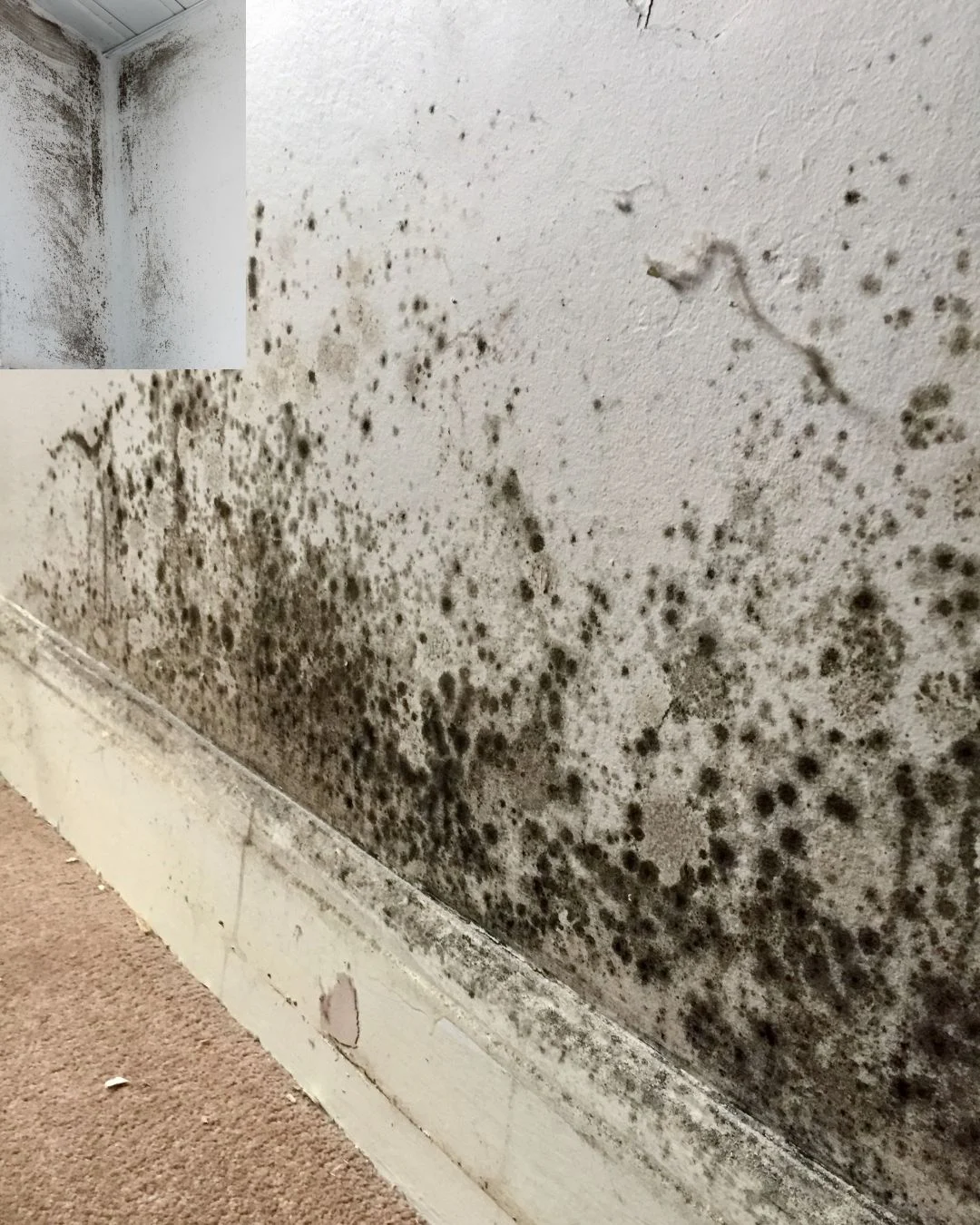
It’s common to find dark patches, crumbling plaster, or a musty smell as soon as the old paper comes off. These signs usually point to a deeper moisture issue that you need to resolve before putting up new paper or paint.
Hidden Problems in Older Staffordshire Properties
Older properties in this region feature solid wall construction without cavity gaps, meaning external moisture easily travels through bricks if rendering or pointing fails. When homeowners apply thick wallpaper, it creates a trap for this moisture, allowing fungal spores to thrive in the dark.
You might notice historic patches where previous owners simply papered over a damp stain instead of fixing the root cause. This habit was frequent in decades past, when temporary cosmetic fixes were popular. It’s worth pointing out that covering up these areas only makes the damp worse over time, as the wall cannot breathe.
Black Growth Under Heavy Vinyl Paper
Vinyl wall coverings are excellent at stopping water from entering from the room side, but they also prevent moisture inside the wall from escaping. This creates a perfect incubation zone for toxic spores. When you pull away a sheet of vinyl, you might find a massive sheet of black growth that covers the entire plaster surface.
Disturbing this growth releases millions of microscopic spores into the air, which can cause health issues if you inhale them. For severe infestations that cover a large area, it’s safer to call a professional remediation team like ICE Cleaning to neutralise the area before you proceed. They have the specialised equipment to kill the roots of the fungus within the plaster, preventing it from bleeding back through your new paintwork.
Damp Around Old Chimney Breasts
Chimney breasts are another frequent hotspot for hidden moisture. Many older homes have redundant chimneys sealed up years ago without proper ventilation bricks. Without airflow, moisture entering the flue settles at the base or leaks through the plaster.
This creates a damp environment where dark patches spread undetected. When you strip the room, you might find a distinct salt crust on the plaster alongside the stains. These salts draw moisture out of the air, keeping the wall permanently damp until you treat the masonry.

Action Steps for Freshly Uncovered Fungus
Once you discover a moisture problem, you must stop decorating immediately. Applying new paint or paper over a live infestation is a waste of time, because the problem will return within weeks. You need a systematic process to ensure the wall is completely dry.
Here is a list of the key tasks you should perform to clean the area properly:
- Wear a protective mask and gloves to avoid inhaling harmful particles during the process.
- Scrape away all the loose wallpaper residue and old adhesive paste down to the bare plaster.
- Apply a dedicated fungicidal wash to kill the remaining surface spores.
- Allow the room to dry naturally with windows open for several days.
- Fix the external source of the leak or damp before replastering.
Avoid using household bleach for this task. Bleach contains water, which can soak into the porous plaster and encourage more growth later on. It’s much better to use a specialised product designed for masonry.
Preventative Steps for New Wall Coverings
When you fix the structural issues, you need to choose new decorating materials carefully. Avoid returning to heavy vinyl papers if the room lacks airflow. Instead of vinyl, look for breathable materials that let moisture pass through easily.
Using lime plaster or breathable clay paints can make a massive difference in older Staffordshire homes. These traditional materials work with solid brick walls instead of fighting against them, allowing minor moisture to evaporate safely into the room.
All in All
Uncovering a damp problem behind your wallpaper can slow down your renovation plans, but it’s an opportunity to fix a serious structural issue. Ignoring the problem will only lead to ruined decorations and potential health risks.
Taking the time to identify the source of the damp and clearing the spores properly ensures your home stays healthy. Once the walls are dry and treated, you can enjoy a beautifully decorated room that stands the test of time.