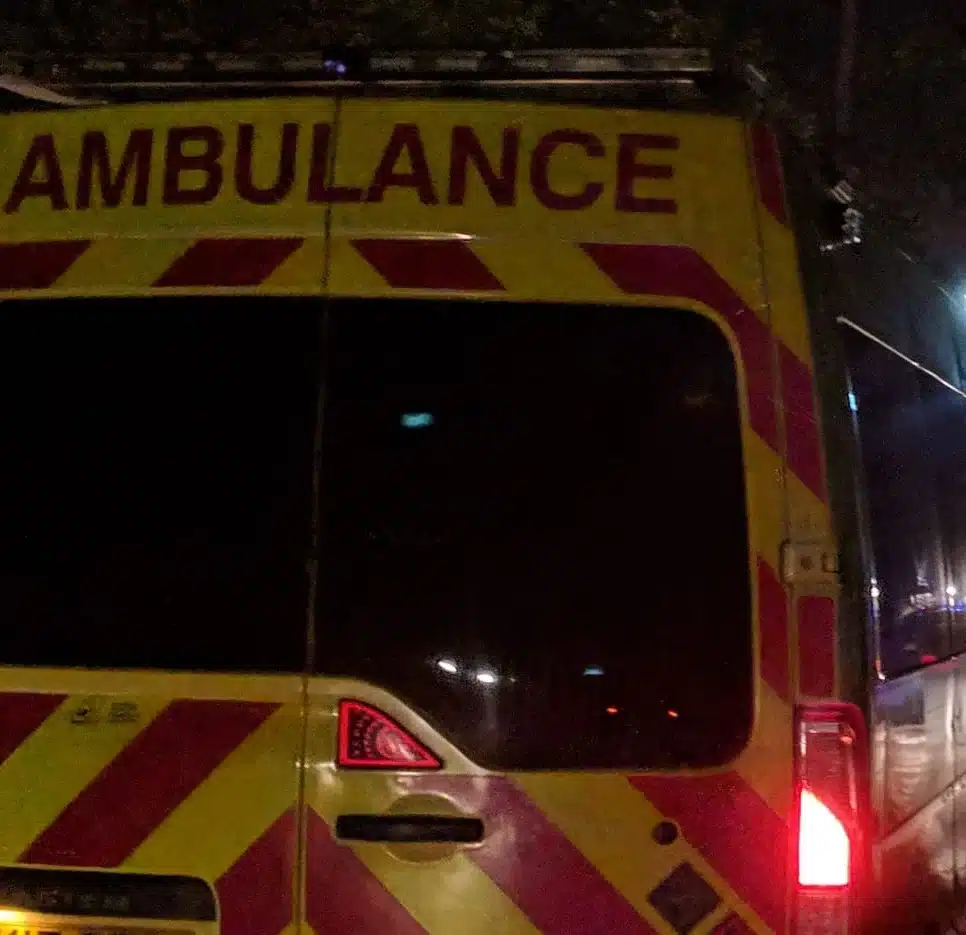

For anyone who has ever needed to dial 999, the words are familiar; “Ambulance Service. Is the Patient breathing?” The phrase is said thousands of times a day, but it never becomes routine.For the control room call assessors, it’s the most important phrase of all.
With a recruitment drive for the Emergency Operations Centre (EOC) in Stafford underway, 2017 could be the year you learn just what those words mean.

Image credit West Midlands Ambulance Service.
It doesn’t involve flashing blue lights, but nonetheless, this is an opportunity to help save lives. Call assessors are the first point of contact for anyone calling 999 for an ambulance; this could be an elderly man suffering a stroke, a mother worried about her unresponsive baby, a driver who has just witnessed a road traffic collision or a husband who suspects his wife isn’t breathing. Whilst help is being arranged for the patient, call assessors establish what’s happened, check on the patient’s symptoms and offer advice over the phone; advice that can and does saves lives.

Annie-Rose Blackwell applied for the role in October last year, three months later she was answering 999 calls. Annie said: “I was already working for the Trust as a call taker for patient transport but when the job in EOC came up I wanted to experience more of an emergency environment. The training proved intense and at times difficult but the support given by the trainers made the process enjoyable. My proudest moment in my new role so far is helping a patient in cardiac arrest and hearing them breathe again. My advice to anyone thinking of applying would be to just go for it! You’d be surprised what you can achieve with a good team behind you.”
Training involves learning about health and physiology, an accreditation to use the national telephone triage system and comprehensive training to use the Trust’s computer systems, taking 3 months and resulting in a nationally recognised first aid qualification. Once you’ve completed the classroom based training, you’ll be mentored in the Emergency Operations Centre taking 999 calls with an experienced call assessor until undertaking a final assessment where you’ll then be signed off as ready to taken 999 calls alone.
To view the vacancy, job description and person specification, please visit the website or search on NHS job for reference number 217-VN248-16-17. The closing date for applications is Thursday 19th January.