
Heating bills have been a headache for households across Stone and the wider Stafford Borough for a few years now. While prices have settled somewhat, most families are still paying more than they were five years ago, and the gap between an efficiently run home and an inefficient one is wider than it used to be.
The good news is that a lot of what drives high gas bills is fixable, and some of it doesn’t cost much at all.
Start With Where the Heat Goes
Before spending money on anything, it’s worth spending an hour walking around your home to find where the heat is actually escaping. Draughty floorboards, gaps around window frames, and poorly fitted letterboxes are common culprits in older Staffordshire stone terraces and Victorian semis.
Draught-proofing is one of the cheapest improvements you can make. Foam or brush strips around doors and windows typically cost a few pounds per room and can make a noticeable difference to how long your home stays warm after the heating goes off.
Thermostat Scheduling
A lot of households in this area still run their heating on basic timer settings that were programmed years ago and never updated. Heating an empty house because the schedule hasn’t been adjusted for shift work or school runs is one of the most common causes of unnecessarily high bills.
If you have a programmable or smart thermostat, set it to heat the house about 30 minutes before you need it warm rather than running it flat through the morning. Turning the thermostat down by just one degree can cut gas consumption by around 10%, which adds up considerably over a full winter.
Radiator Balancing
If some rooms heat up quickly while others stay cold, your radiators are probably out of balance. This forces the boiler to work harder and longer to reach the set temperature, which burns more gas for less comfort.
Balancing radiators involves adjusting the lockshield valves so that water flows more evenly around the system. It’s a job you can do yourself with a bit of patience, or ask a heating engineer to do it during a service. Either way, it costs very little and can improve the efficiency of the whole system.
When a Boiler Upgrade Starts to Make Sense
For households in Stone still running an older G-rated boiler, the numbers are worth looking at seriously. Replacing a G-rated unit with a modern condensing boiler can save a typical household around £300 to £500 per year on gas bills. Typical installed costs run from £2,800 to £3,300, which puts the payback period in a more favourable position than most other home improvements.
If you’re comparing replacement options, it’s worth spending some time with a guide to the best boiler brands to get a clearer picture of which manufacturers offer the strongest combination of efficiency, warranty, and long-term reliability.
Worcester Bosch, Vaillant, and Ideal are among the most commonly fitted in homes like those found throughout Stafford Borough, and each sits at a slightly different price and warranty point. There’s some nuance you might want to look deeper into.
Small Habits That Add Up Across the Year
Beyond the bigger changes, there are a handful of habits that make a genuine difference to the annual bill without requiring any outlay at all:
- Keep furniture away from radiators so heat can circulate freely
- Bleed radiators at the start of each heating season to remove trapped air
- Use thermostatic radiator valves to turn down heat in rooms you’re not using
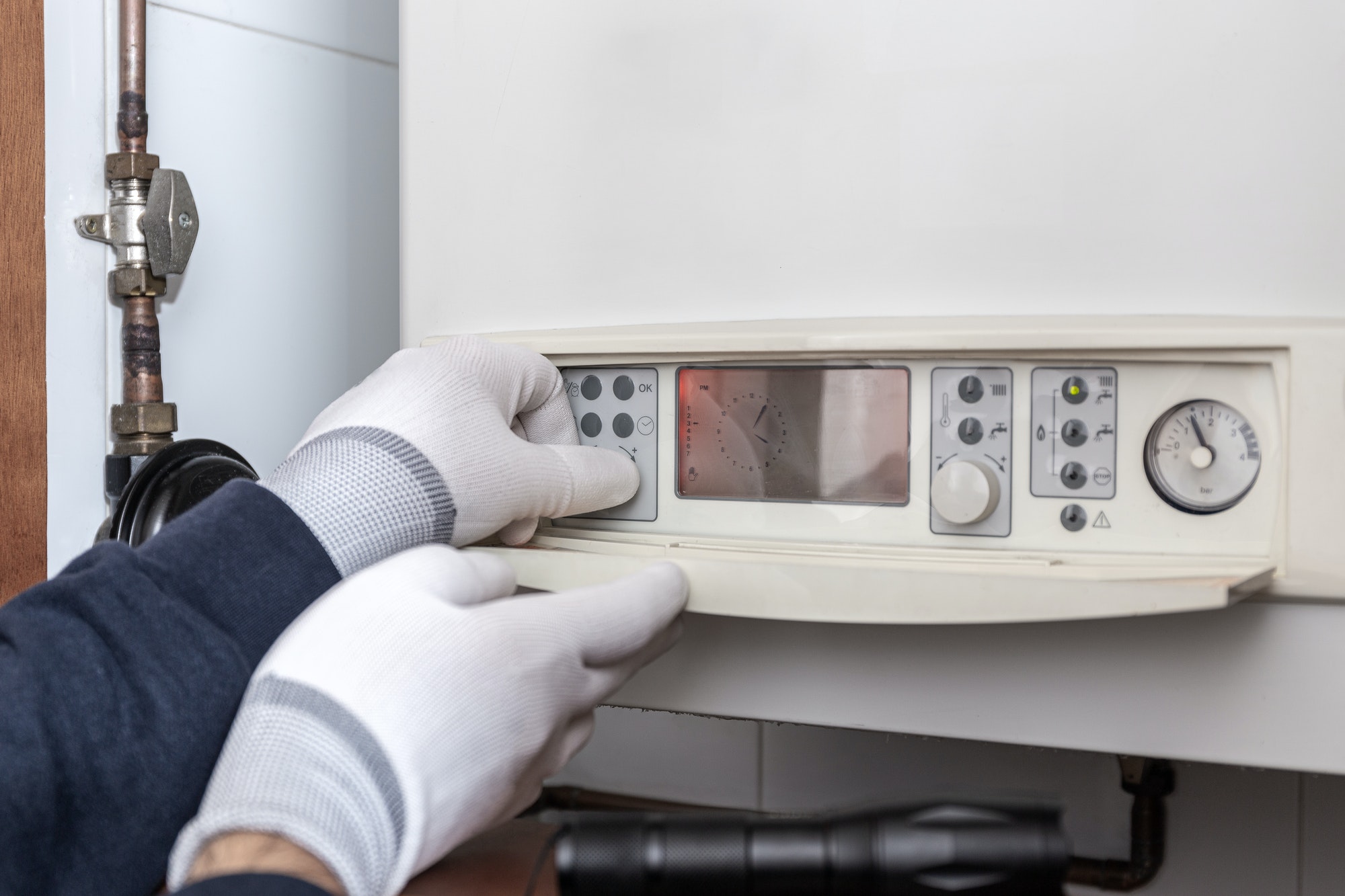
- Check your boiler pressure regularly and top it up if it drops below 1 bar
None of these individually will transform the bill, but together they reduce the load on the boiler and help the system run as efficiently as it was designed to.