


Smartphones are increasingly being used to help Staffordshire firefighters assess emergencies before crews arrive at the scene.
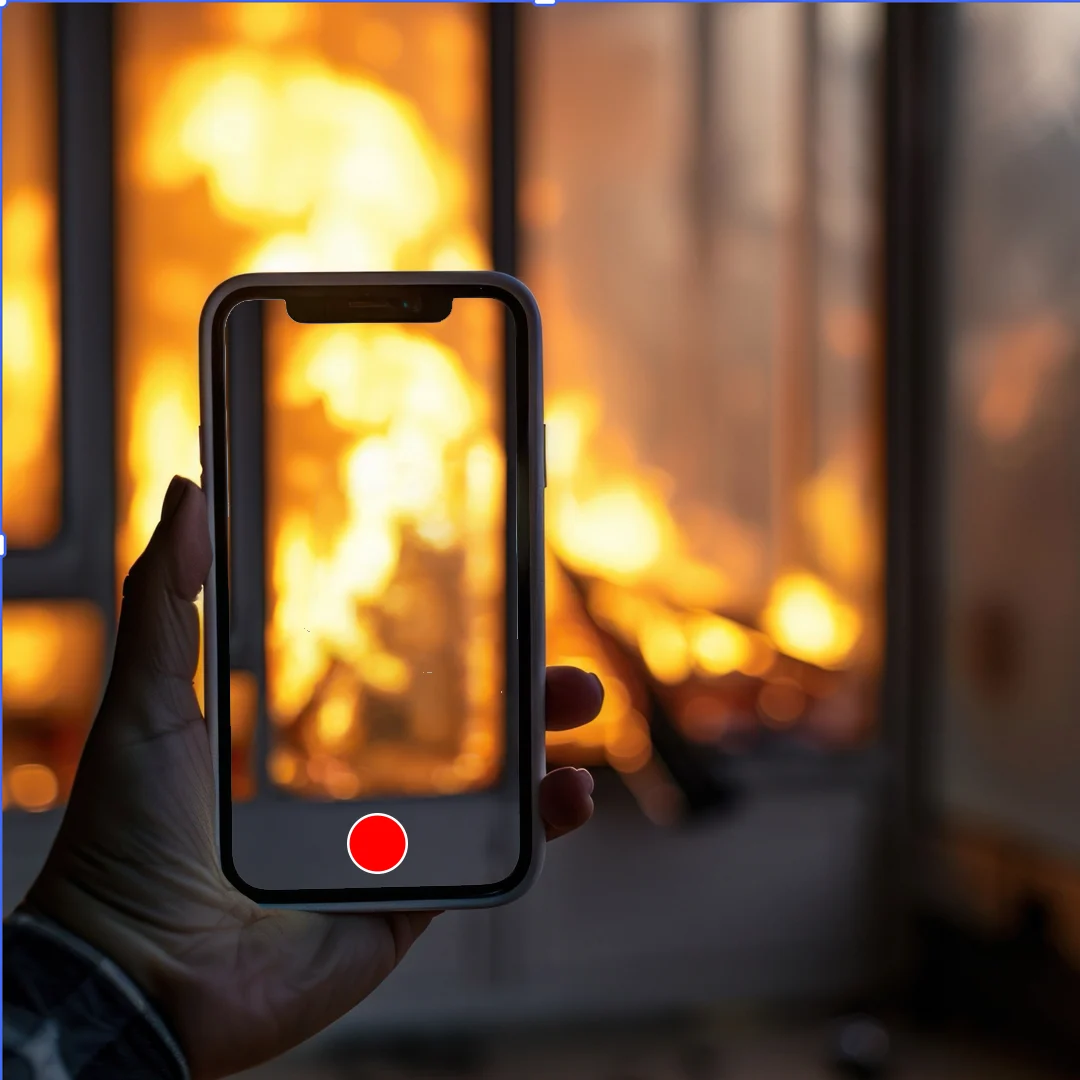
Stone residents calling Staffordshire Fire and Rescue Service, along with others across the county, may be asked whether they have a smartphone. Control room operators can then send a link so live video can be shared from the incident.
The latest Fire and Rescue Service Public Performance Meeting, chaired by Staffordshire Commissioner Ben Adams, heard how the technology is helping crews respond to incidents including fires and missing person searches.
Mr Adams said
“There was a message I picked up recently, someone had called fire and rescue and an early question to them was have you got a smartphone? This individual was thinking ‘what’s going on here, I’m trying to report a fire’.
“Can you explain what is going on with people providing more information to control via the technology they have got in their pocket? I think the individual was confused and a bit angry, then they were almost embarrassed when they realised just what a contribution they were making.”
Glynn Luznyj, who is set to become Staffordshire’s next Chief Fire Officer next month, said the system was a “fantastic example” of technology helping the fire and rescue service during emergencies.
He said
“There is a facility now that our fire control operators can tap into a member of the public who has a smartphone by sending them a link very quickly.
“They can click on the link and video what’s occurring on the ground in real time. That can be relayed to the control centre, to aid with their decision-making so they can see the incident before them, and that can also be relayed to the oncoming crews who are on the way to the incident, that can be so valuable in informing the tactical plan for the commanders and the teams.”
Mr Luznyj said the live video can quickly change how crews prepare for an incident.
He added
“Where there’s been a fire in a home, everybody’s outside the property, the link’s been sent through, control have witnessed somebody realising that a pet is still inside the house that’s on fire and they’ve made the decision to enter the building.
“All of a sudden we’ve got a house that’s on fire with a person reported inside and that dramatically changes the situation for the oncoming crews, who can prepare for that and act accordingly.”

The meeting also heard how drones are being used more often to support emergency services.
Mr Adams said
“I’m involved with the national police aviation service and we’re seeing drones used a lot more in policing.
“That new technology is still progressing for fire and rescue as well and going into areas safely, which you wouldn’t want firefighters to go into without advance information.”
Mr Luznyj said drones had already shown their value at incidents including building fires and missing person searches.
He said
“I remember first using a drone a decade or so ago, purely for a media interview at the scene of a large wildfire in the county, and we were so impressed with the picture and the views the drone was giving us.
“We knew then what an opportunity drones could present in terms of operational awareness, decision making and thermal imaging. Now I’ve seen real value on a number of occasions on the ground, whether it be a building fire or a missing persons incident, to give you that overview quickly.”
He said Staffordshire Fire and Rescue Service had also used drone capability from other fire and rescue services, including an underwater drone in sensitive incidents involving someone submerged in water.
Mr Luznyj added
“It’s a developing picture, one that I can see only enhancing firefighting operations. I think there will be, in very near times, opportunities to have drones committed into buildings, doing a level of firefighting, a level of assessment and reconnaissance which is going to make it safer for our firefighters.
“I’m very much behind exploiting those opportunities and learning from them in the future.”