
As part of our coverage of the upcoming Staffordshire County Council elections, A Little Bit of Stone invited every candidate standing in the Stone area to complete a standard questionnaire. The questions were shaped by feedback gathered through our recent Stone Matters survey, where local residents told us which issues matter most to them.
We asked candidates to focus their answers on the responsibilities of Staffordshire County Council – highways, education, social care, transport, public health and related services. Their responses appear below unedited, exactly as supplied.
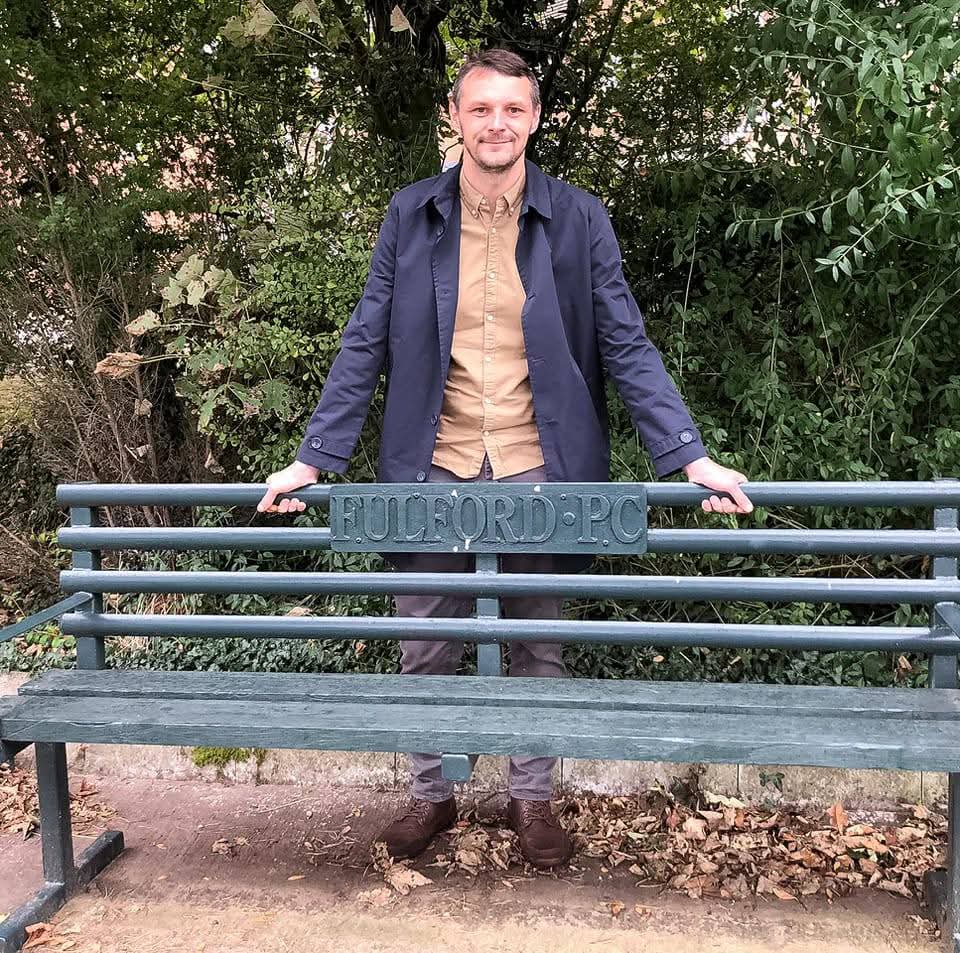
Name
Alec Sandiford
Party
Liberal Democrat
Division
Stone Rural North
Q1: Tell us a bit about yourself. Who are you, and why have you decided to stand for election in the Staffordshire County Council elections?
I’m Councillor Alec Sandiford, the current Borough Councillor for Fulford Ward. I’ve built a strong reputation for being a hardworking, responsive local representative who gets things done. I’ve helped residents resolve problems ranging from highways issues to planning concerns, and I’ve never been afraid to chase the County Council when action is needed. I’m standing for County because so many of the challenges residents face — from road repairs to school places — sit with the County Council. I believe our area deserves a strong, active voice who will fight for it day in, day out.
Q2: Do you live in the Division?
Yes
Q3: If not, why have you chosen to stand here?
N/A
Q4: What relevant experience or background do you bring to the role of County Councillor?
As a Borough Councillor, I’ve built up a proven track record of getting things done. I’ve helped residents get long-neglected roads resurfaced, chased up overdue repairs, and always made myself available and accountable. I’ve also led successful campaigns and worked cross-party to get results. I understand how local government works — and more importantly, how to navigate it to get answers and action for residents.
Q5: The County Council has declared a climate emergency and committed to a Net Zero target. What does that commitment mean in practice for local residents and businesses? What will you do to support this goal locally?

Net Zero means cleaner air, warmer homes, lower energy bills, and better transport options — but we need to make sure those benefits are felt locally. I’d push for practical, visible changes: improving walking and cycling infrastructure, supporting green retrofit schemes for homes, and backing clean energy initiatives. The Council must lead by example and work with communities to deliver these changes in a fair and inclusive way.
Q6: The Udall Grange estate is nearing completion, and just last month, proposals were announced for a further 500 homes on adjoining land. There has been no mention of improvements to infrastructure, GP capacity or dental services. The County Council is responsible for roads, schools, and medical services, while Stafford Borough Council handles planning. How do you square away this imbalance? What would you do to ensure new developments do not come at the cost of existing residents’ wellbeing?
Too often, infrastructure lags far behind development. That’s not good enough. As a County Councillor, I would work to ensure that new developments are matched with timely investment in roads, schools, and health services. The County needs to be more assertive in its role as a statutory consultee and hold developers and partners to account. I’d push for clear infrastructure plans to be in place before new homes are approved.
Q7: The Aston to Burston Trail has been closed for months following the collapse of a footbridge. A drawn‑out process between the landowner and local authority has left this well‑used route in limbo. Do you think the County Council has done enough to uphold public rights of way in our area? What would you do differently?
The County Council has been too slow and passive. Public rights of way are not a luxury — they’re vital for wellbeing, access, and active travel. I’d push for greater urgency, transparency, and accountability. Where necessary, the Council should step in to carry out repairs directly and resolve disputes through legal means if needed. We must value and protect our local paths.
Q8: What is your stance on the enforcement of Stone High Street as a pedestrianised zone? At times, the Market Square resembles a car park. Should access be more tightly restricted or more flexible, and how should this be enforced?
The High Street should be a safe, welcoming space for pedestrians, not a free-for-all for vehicles. I support proper enforcement of the current rules, with flexibility for those with disabilities and for deliveries at set times. Better signage and physical measures like rising bollards could help, but ultimately it comes down to the will to enforce the rules and protect the pedestrian-friendly nature of the area.
Q9: Stone and the surrounding area has lost many of its bus routes in recent years. This leaves many residents, especially older people and those without cars, isolated. What would you do to improve public transport options in the division?
We need a better deal for rural and semi-rural communities. I’d push for a properly funded and reliable local bus network — exploring demand-responsive services, community transport schemes, and reinstating vital routes. The County should be championing public transport, not cutting it, and I’d work with operators and residents to find practical solutions that actually work on the ground.
Q10: With transport in mind, what is your view on how the County Council should balance road infrastructure investment with active travel options such as walking and cycling?
We can’t keep designing everything around cars. While roads are important, active travel must be part of the equation — not an afterthought. I’d push for safe cycleways, better footpaths, and joined-up routes that encourage walking and cycling as real alternatives. That means putting active travel into the heart of local transport planning and investment.
Q11: Speeding and dangerous parking, particularly on roads near local schools, is a common concern. What can be done to improve road safety for children and penalise offenders?
We need a mix of education, enforcement, and engineering. That means visible policing or camera enforcement of hotspots, traffic calming measures near schools, and clear signage and markings. I’d also support school-led campaigns and work with local communities to identify and tackle problem areas.
Q12: What is your view on the provision of school places and SEND services in Staffordshire? Are local families being properly supported, and what changes would you advocate for at the County level?
Many families are struggling to access the right support, particularly when it comes to SEND. There are delays, poor communication, and too many children falling through the gaps. I’d advocate for more funding, faster assessments, and greater transparency in the system. Local families deserve to be listened to and supported — not left fighting for what their children need.
Q13: Devolution is coming down the tracks, with the creation of new combined authorities. What are your views on this shift, and how can we ensure towns like Stone are properly represented in a larger unitary structure?
Devolution must not mean centralisation. Stone and similar towns risk being sidelined if we don’t fight our corner. I’d push for strong local representation within any new combined structure, and ensure local voices are heard in decisions. Power should be devolved closer to communities, not just shuffled around between layers of government.
Q14: What is one issue in the division that you believe does not get enough attention at County Council level, and what would you do about it within the remit of the role?
Rural roads and footpaths are badly neglected. Too many are left to deteriorate, creating hazards and cutting people off. As a County Councillor, I would keep up the pressure for proper maintenance, timely repairs, and fair investment in our rural infrastructure. Residents shouldn’t have to fight just to get the basics done.
Q15: Finally, why should residents vote for you on 1st May?
Because I get things done. I’ve already shown what a difference a determined local Councillor can make — chasing issues, standing up for residents, and making sure our area is heard. I’ll bring that same energy and determination to the County Council. I’ll be visible, available, and active from day one. If you want a hardworking local voice who puts people first, I’m asking for your support. Residents deserve an active Councillor who will work every day for them, not take voters for granted and only show up before an election. It’s time for a change and time for someone who will tackle the backlog of issues after years of neglect.