
Highways England has some good advice for driving in ice and snow. As the winter weather has well and truly hit us, it’s a great checklist.
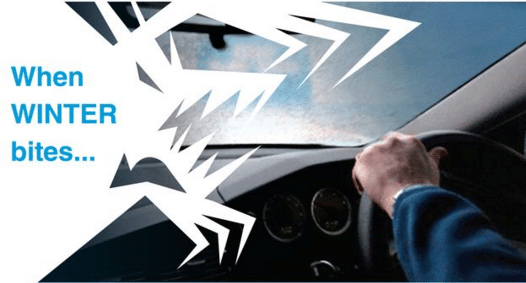
Driving in ice and snow: be prepared and be aware
Driving through ice and snow
Clear any snow off the roof of the vehicle before you drive away
Watch out for icy conditions. Look for clues such as ice on the pavement or on your windscreen before you start your journey and take extra care
Try not to brake suddenly – it may lock up your wheels and you could skid further
Leave extra space between you and other vehicles. Take even more care looking out for others that may not be able to stop and be extra cautious at road junctions where road markings may not be visible
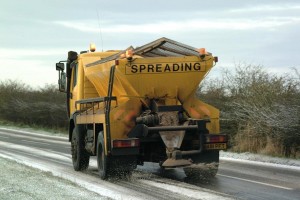
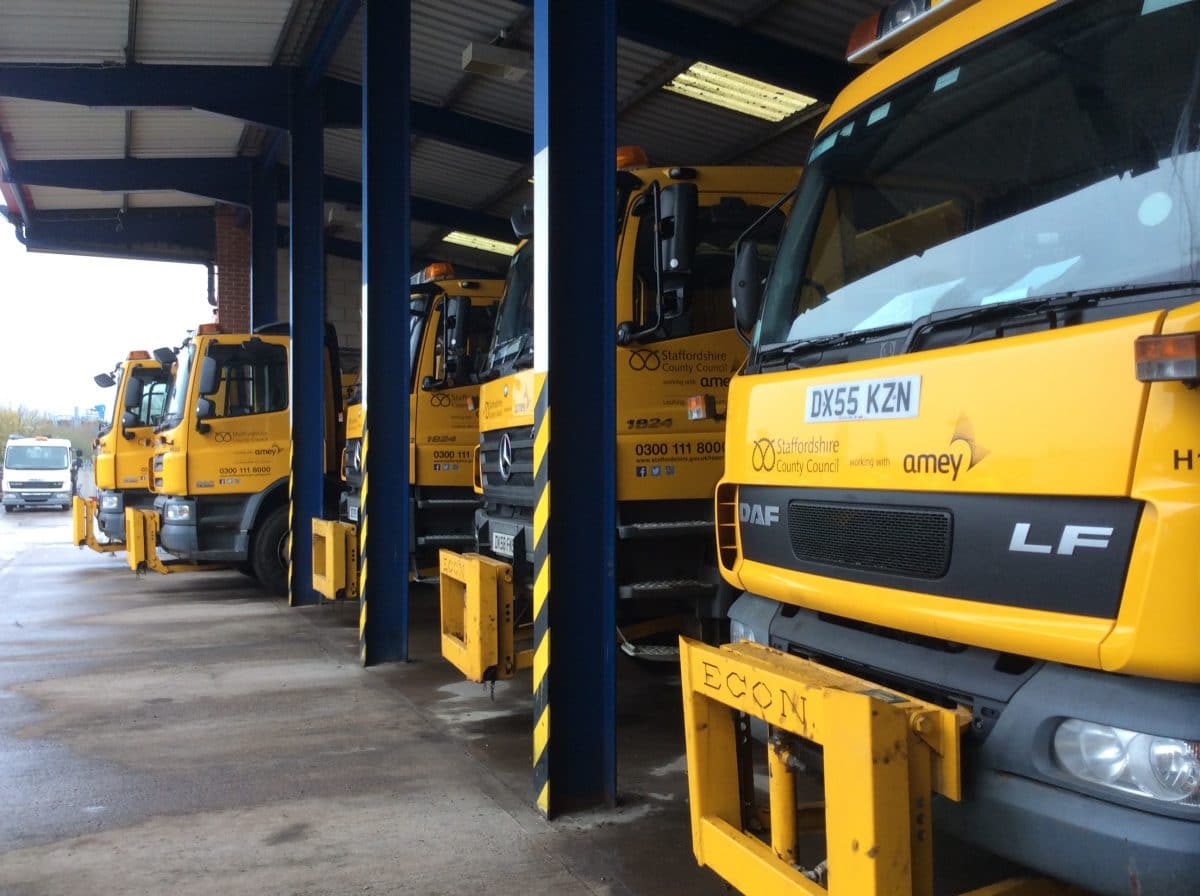
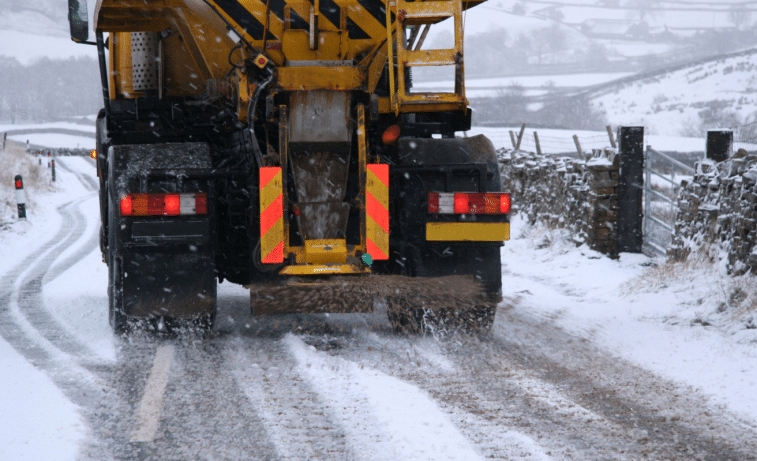
Look out for winter service vehicles spreading salt or using snow ploughs. They have flashing amber beacons and travel at slower speeds – around 40mph. Stay well back because salt or spray can be thrown across the road. Do not overtake unless it is safe to do so – there may be uncleared snow on the road ahead.
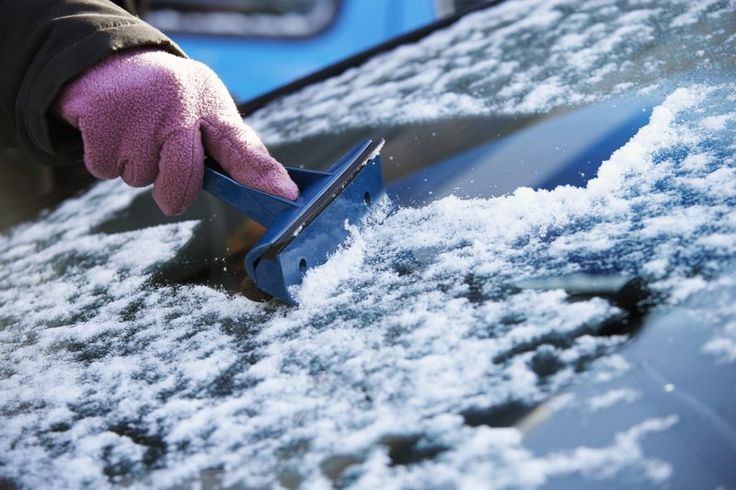
Carry an emergency kit

Gather together the following items and pack in your vehicle at the start of the winter season. You never know when you might need them!
- Ice scraper and de-icer
- Torch and spare batteries – or a wind-up torch
- Warm clothes and blankets – for you and all passengers
- Boots
- First aid kit
- Jump leads
- A shovel
- Road atlas
- Sunglasses (the low winter sun and glare off snow can be dazzling)
Before you set off – check the latest traffic and weather
In severe and wintry weather it’s even more important to plan your journey. Highways England provides up-to-the minute traffic reports for its network of 4,300 miles of motorways and major A roads across England. Just a few minutes checking information services before you set off can make all the difference to your journey.
Road and weather conditions may change, so drive with care
When you’re on the road, pay attention to the changing road, traffic and weather conditions. Be ready to slow down and take more care if you need to, particularly on bends and exposed roads. Don’t be lulled into a false sense of security – even if you drive every day on the same stretch of road
More information and advice on driving in adverse weather conditions is on the Highways England winter web pages