Stone residents are set to receive help with energy bills, while workers, pensioners and local businesses are among those affected by measures announced in the Autumn Budget.
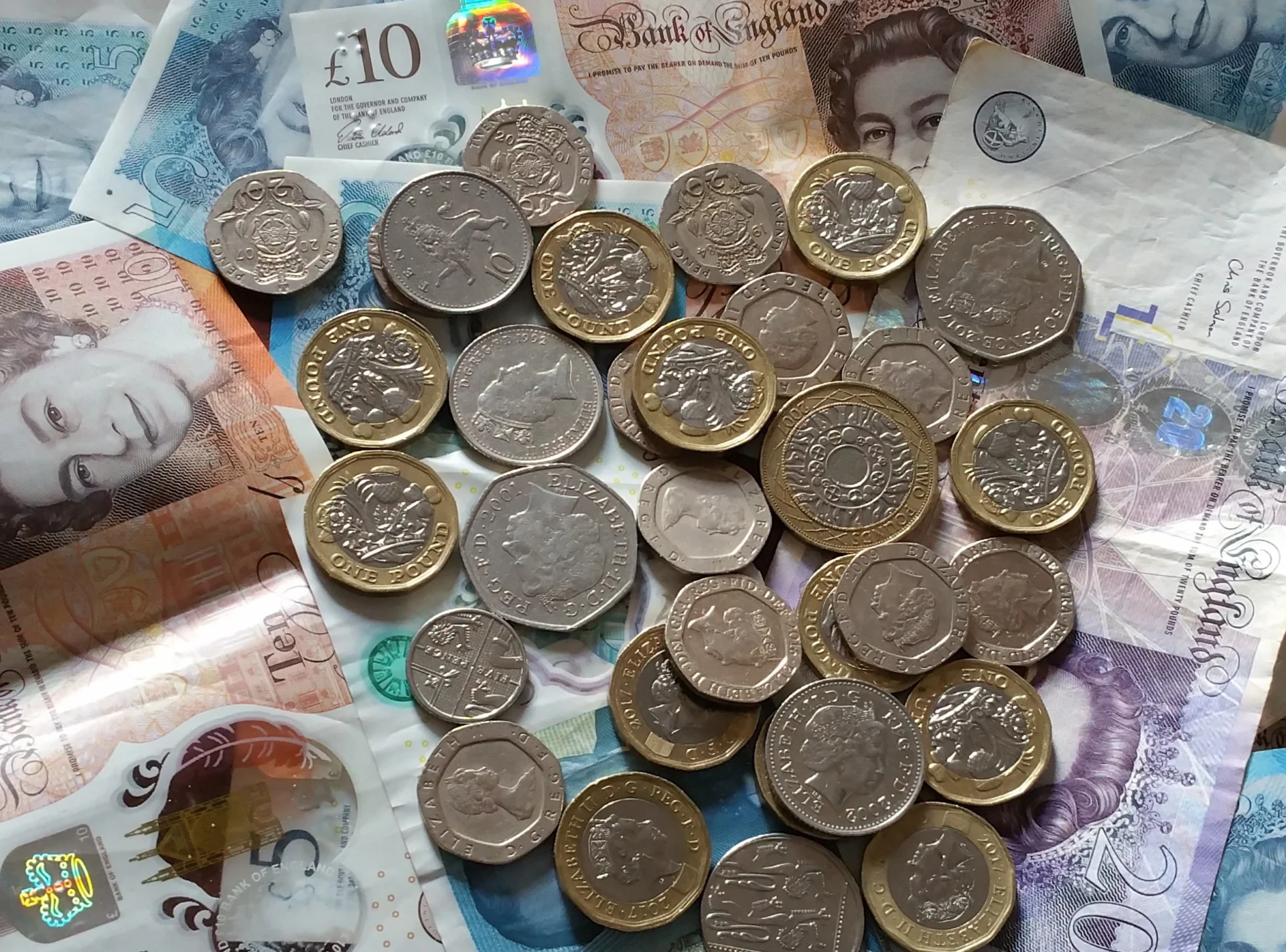
Chancellor John Healey delivered the Government’s tax and spending plans on Wednesday 28 October 2026, including a £100 energy payment for millions of households, increases to minimum wages and changes to business rates.
The Budget also includes £10 million towards the refurbishment of Stafford Market Hall, alongside progress on plans for a new mayoral authority covering Stoke-on-Trent and Staffordshire.
With many of the changes not taking effect until 2027 or later, we’ve looked at the main announcements and what they could mean for people living and working in Stone.
£100 energy payment for households
One of the main announcements is a one-off £100 Household Energy Payment for properties in council tax bands A to D in England.
The Government says up to 20 million households will qualify, with payments beginning in January 2027.
The money will be paid directly into eligible households’ bank accounts using the council tax system, rather than appearing as a discount on energy bills. Further details about administering the scheme are expected.
An additional £100 million will be provided to councils in England to support households particularly affected by energy costs, including some living in properties outside bands A to D.
The Chancellor has also extended the temporary reduction in VAT on domestic electricity from 5% to 0% until 1 July 2027. The Treasury estimates this will reduce the annualised Ofgem energy price cap in April by around £50 compared with what it would otherwise have been.
Another change concerns standing charges on household gas bills.
The Government has asked Ofgem to remove these fixed daily charges by the end of 2027, or as soon as possible afterwards.
However, the costs currently covered by standing charges would instead be included in the price charged for each unit of gas used. This means lower gas users could benefit, while households using more gas may see little saving or potentially pay more.
The Government has said it will introduce measures to protect households disadvantaged by the change.
A previously planned levy on gas bills to help fund hydrogen projects has also been scrapped, with the costs instead to be met through general government funding.
Minimum wages and State Pensions to rise
The National Living Wage will increase by 3.9% from 1 April 2027, taking the hourly rate for workers aged 21 and over to £13.21.
The Government estimates this will mean an additional £910 a year before tax for a full-time worker on the National Living Wage.
The National Minimum Wage for 18 to 20 year olds will rise to £11.27 an hour, while those aged 16 and 17 and eligible apprentices will receive £8.31.
The increases will affect both workers and employers, including businesses in Stone’s retail, hospitality and service sectors.
Pensioners will also receive an increase under the existing State Pension triple lock.
The full new State Pension is expected to rise by approximately £488 a year from April 2027, while the full old basic State Pension is expected to increase by £374.40 annually.
The Government is also introducing a Pension Tax Allowance from April 2027, intended to ensure pensioners whose total income is no more than the full new State Pension do not have to pay income tax simply because of annual pension increases.
Looking further ahead, the Government intends to change the way the triple lock operates from April 2030, while maintaining the current arrangements until then.
There is also a planned reform to Carer’s Allowance. Instead of losing the entire benefit when earnings exceed the permitted limit, eligible carers would have their allowance reduced gradually. However, that change is not expected until 2030 to 2031.
Fuel duty, bus fares and food costs
The temporary 5p per litre reduction in fuel duty will remain in place until 1 July 2027.
The Government has also deferred the planned inflation-linked increase in fuel duty until that date.
For people travelling by bus, the previously announced £2 cap on eligible single fares in England outside London will apply throughout 2027, replacing the existing £3 cap on participating services.
There are changes for people who use their own vehicles for work, including care workers, tradespeople and other self-employed workers.
The temporary tax-free mileage allowance of 55p per mile for the first 10,000 business miles has been made permanent.
From April 2027, the allowance for mileage above 10,000 miles will rise from 25p to 35p per mile.
The Budget also includes measures intended to reduce food prices.
Import tariffs will be suspended on more than 100 food and drink products from 26 November, including items such as baked beans, dried fruit and chocolate.
The Government expects the changes to reduce consumer costs, although the amount passed on through supermarket prices will depend on retailers and supply chains.
Business rates relief expanded for shops, pubs and hospitality
The Budget includes changes to business rates that could be particularly relevant to shops, cafés, pubs and other businesses in Stone town centre.
From April 2027, qualifying retail, hospitality and leisure properties in England with a rateable value of up to £18,000 will be eligible for 100% Small Business Rate Relief.
The current threshold is £12,000.
The upper threshold for tapered relief will also rise from £15,000 to £21,000.
Rateable value is the figure used to calculate business rates and is not the same as a business’s turnover or profit. Eligibility will still depend on the property and the applicable relief rules.
The Government estimates that approximately 70,000 additional businesses nationally will no longer have to pay business rates under the expanded scheme.
Pubs, social clubs and qualifying live music venues will also receive increased dedicated business rates relief, rising from 15% to 35% from April 2027.
For other qualifying retail, hospitality and leisure businesses, rates bills will be frozen in real terms for two years. This means increases will generally be limited to inflation, rather than bills necessarily remaining unchanged.
The Budget also removes certain business rates reliefs from vape shops and adult gaming centres from April 2027.
For smaller traders and people earning money from side businesses, the annual Income Tax Trading Allowance will increase from £1,000 to £3,000 from 6 April 2027.
Electricity support for manufacturing businesses
The Government has confirmed funding for the British Industrial Competitiveness Scheme, which is intended to reduce electricity costs for more than 10,000 eligible manufacturing businesses across Great Britain.
From April 2027, qualifying manufacturers could receive reductions of up to 25% in their electricity costs, along with a payment reflecting eligible costs from the preceding year.
The scheme is aimed at manufacturers rather than being a general electricity discount for shops, pubs and other small businesses.
Tax changes for savers and landlords
The Chancellor has not announced increases to the main rates of income tax on earnings, National Insurance or VAT.
However, existing freezes to income tax thresholds mean that workers receiving pay increases may see more of their income taxed, or move into higher tax bands.
From April 2027, rates of income tax applied to taxable savings interest and property rental income will rise by a further two percentage points.
The resulting rates will be 24% for basic rate taxpayers, 44% for higher rate taxpayers and 49% for additional rate taxpayers.
These increases concern taxable savings and property income rather than ordinary wages.
There is better news for people using cash ISAs.
The Government has cancelled its previously announced plan to reduce the annual cash ISA subscription limit to £12,000 for people under 65.
The annual cash ISA allowance will instead remain at £20,000.
New help for first time buyers
The Government has confirmed a £4.7 billion equity loan scheme called Your First Home, intended to help eligible first time buyers purchase newly built properties in England.
The scheme will provide government equity loans worth 20% of a home’s purchase price, allowing buyers to purchase with a deposit as low as 2.5%.
Household income must be no more than £110,000 outside London, and property price caps will apply depending on the area.
The equity loans will be interest free for the first five years, although the amount that must eventually be repaid will be linked to the property’s value.
Applications are expected to open in February 2027, with the first purchases supported from April.
A new First Time Buyer ISA will also be introduced in April 2029, replacing the Lifetime ISA for new savers.
It will allow contributions of up to £4,000 a year with a 25% government bonus towards a qualifying first home purchase.
Existing Lifetime ISA holders will be able to continue using their accounts.
From 29 October 2026, the withdrawal charge for existing Lifetime ISA holders buying a first property above the £450,000 cap will fall from 25% to 20%.
The Budget also includes an additional £1.5 billion for social and affordable housing in England, intended to support the delivery of around 10,000 homes, with funding prioritised towards social rent and council housing.
No specific allocation of new homes for Stone has been identified in the Budget documents.
£10 million announced for Stafford Market Hall
One of the few Staffordshire projects specifically named in the Budget is a £10 million investment towards refurbishing Stafford Market Hall.
The Government says funding from its Growth Mission Fund will support the refurbishment and the creation of a business incubation hub for small and medium sized enterprises.
The funding is subject to approval of a final business case.
Although the investment concerns Stafford rather than Stone, it is a specific project in the neighbouring town identified for government support.
Staffordshire mayoral authority moves closer
The Budget also confirms that the Government is in the final stages of agreeing a Mayoral Strategic Authority for Stoke-on-Trent and Staffordshire.
The proposed authority would have responsibilities covering transport, skills and economic development, although a final agreement has not yet been reached.
Local consultations are expected to follow.
You can read more about the announcement and local political reaction in our separate report on the plans for an elected mayor for Stoke-on-Trent and Staffordshire.
Economic forecasts show continued pressure
Alongside the Budget, the independent Office for Budget Responsibility has published updated forecasts for the UK economy.
It expects economic growth of 1.2% in 2026, slowing to 1% in 2027 before recovering to 1.6% in 2028.
Inflation is forecast to average 3.1% this year and rise to 3.4% in 2027, before easing to around 2.1% in 2028.
These are forecasts rather than guaranteed outcomes, but they indicate that households and businesses could continue to face rising prices despite the support measures announced in the Budget.
Many of the tax, wage and business rates changes will not take effect until April 2027, while others are planned for later years.
Further details of individual schemes and eligibility will be published as implementation approaches.
The full Budget 2026 document is available on GOV.UK, alongside supporting documents and the Government’s implementation plans.

See more A Little Bit of Stone in Google
Add A Little Bit of Stone as a Preferred Source to make our stories more likely to appear when you search Google.