
There’s something about a good car boot sale that scrolling through eBay or Vinted can’t quite replace. You never know what you’ll find, you can have a proper rummage, and there’s always the possibility of picking up something useful for a couple of quid.
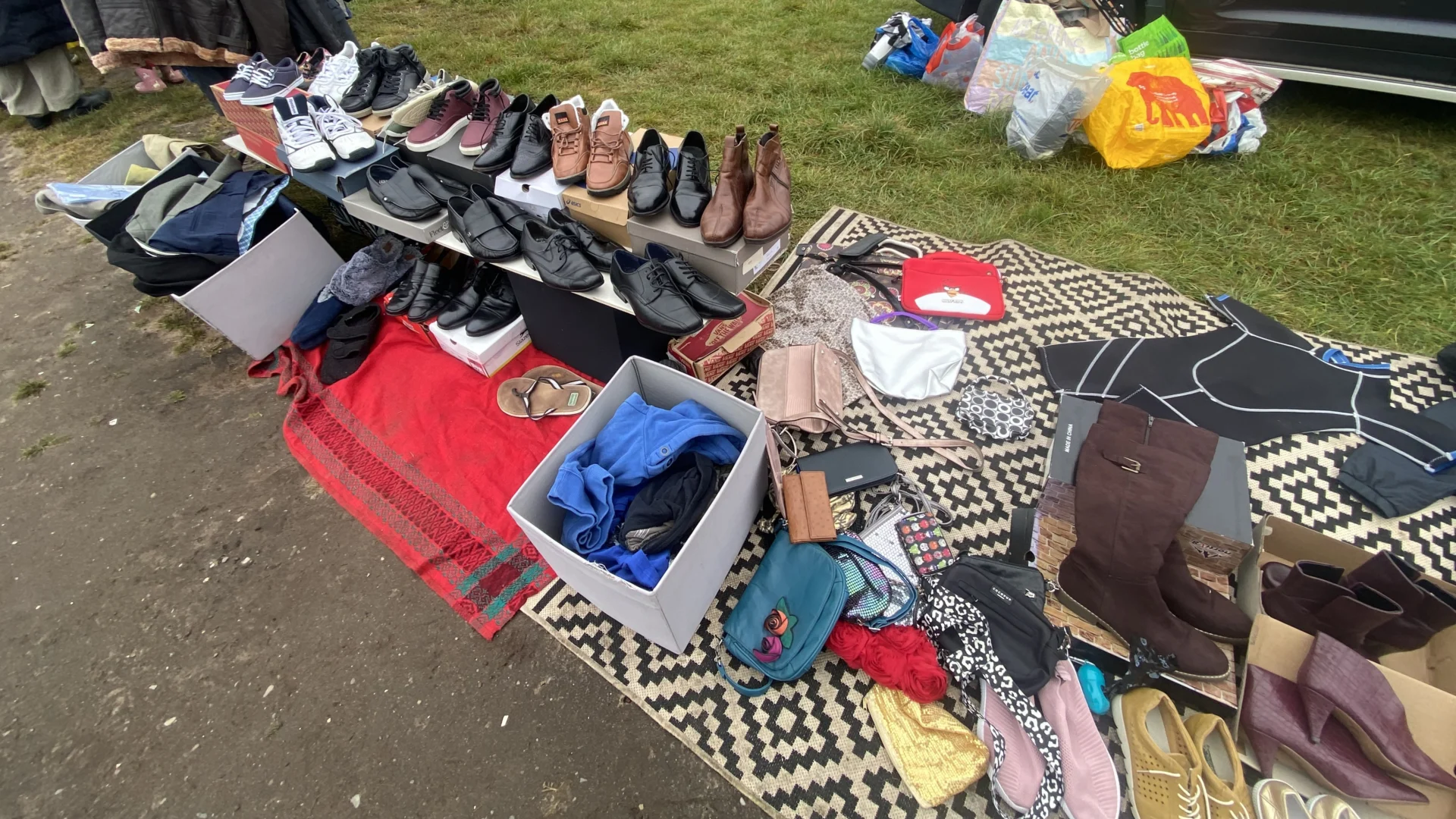
Stone doesn’t have a regular large car boot sale of its own, but there are opportunities closer to home. A car boot sale helps raise funds for the annual Stone Carnival, while Walton Community Centre often hosts table top sales where residents can buy and sell unwanted items.
For those who enjoy a bigger Sunday morning outing, Stafford and Penkridge are familiar destinations, with larger car boot sales attracting buyers and sellers from the surrounding area.
Whether you’re looking to clear some space at home, find a bargain or make a little extra money, there’s still plenty of appeal in buying and selling face to face.
What sells at a car boot sale?
If you’ve got a loft, garage or spare room full of things you no longer need, a car boot sale can be a straightforward way of giving them a new home.
Children’s clothes and toys are worth considering, particularly when they’re in good condition. Parents know how quickly youngsters grow out of things, and buying secondhand can save a fair bit of money.
Books, DVDs and vinyl records can also find buyers, especially when they’re reasonably priced. The same goes for kitchenware, working small electrical appliances and tools.
Garden equipment may attract more attention as people prepare for spring and summer, while household items that are still perfectly usable can appeal to somebody setting up their first home.
Of course, not everything will sell. Worn-out shoes, damaged goods and things priced too close to their original retail value may end up coming home with you.
The trick is to be realistic. A car boot sale isn’t necessarily the place to get the highest possible price for every item, but it can be a convenient way to clear a surprising amount of clutter in one morning.
From a first clear out to a regular pitch
Anyone who has visited one of the larger car boot sales around Stafford or Penkridge will probably recognise the different types of sellers.
Some are there for a one-off clear out, with boxes of belongings from home and a few clothes rails. Others are regulars, arriving with folding tables, plenty of change and everything organised ready for the first buyers.
Then there are traders who take things a little further.
You’ll sometimes find sellers with a branded gazebo from Gala Tent , a card reader and a carefully arranged selection of stock. Rather than simply selling unwanted household items, they may be buying goods specifically to resell at a profit.
For somebody starting out, a folding table and a few boxes might be all that’s needed. More regular sellers may decide to invest in additional equipment, particularly if they’re planning to attend outdoor events throughout the year.
If you’re thinking of selling, it’s worth checking the organiser’s arrangements beforehand. Pitch fees, arrival times, permitted goods and rules about gazebos or other equipment can vary between events.
And if you don’t fancy loading up the car and travelling out of town, keep an eye out for the next community sale in Stone. Table top events can be a useful alternative when you’ve only got a smaller collection of items to sell.
When does selling become trading?
There’s an important difference between selling things you no longer want and buying goods specifically to make money from reselling them.

If you’re clearing out your own belongings, perhaps selling clothes the children have outgrown or furniture you no longer need, you generally won’t have to pay Income Tax on those sales.
HMRC does not normally treat the occasional sale of personal possessions as trading, although separate Capital Gains Tax rules can apply to certain valuable items.
Things change when you start buying or making goods with the intention of selling them for a profit.
HMRC says regular selling for profit, including at car boot sales or online, can amount to trading. If you’re doing this, you’ll need to consider whether you have to report the income.
What about the £1,000 trading allowance?
The trading allowance currently lets most individuals receive up to £1,000 in gross trading income per tax year without needing to report it to HMRC, subject to certain exceptions.
That £1,000 figure refers to income before expenses, not profit.
For example, if you’ve taken £1,100 from trading during the tax year but spent £400 buying stock, your gross income is still £1,100.
The allowance also applies across your relevant trading activities, rather than giving you a separate £1,000 limit for each car boot sale or online selling account.
If your gross trading income exceeds £1,000, you’ll generally need to register for Self Assessment if you haven’t already done so. This doesn’t automatically mean you’ll pay tax on all your takings. Depending on your circumstances, you may be able to deduct allowable business expenses or claim the trading allowance instead.
HMRC advises people to keep records of their trading income, even when it falls within the allowance.
You can check your circumstances using the government’s guidance on additional income .
For the occasional seller clearing out their garage or wardrobe, there’s usually little reason to worry. But if car boot sales become a regular source of income, understanding the rules early on can save some hassle later.
Is a car boot sale worth the early start?
That depends on what you’re hoping to get out of it.
If your aim is to make as much money as possible from a particular item, you might get a better price through an online marketplace. But that can mean taking photographs, answering messages, arranging collections and dealing with postage.
A car boot sale gives you the chance to sell multiple items in one go, without having to list everything individually.
For buyers, there’s the added benefit of seeing something before handing over their money, although it’s still sensible to check the condition of secondhand goods, particularly electrical items.
And while Stone residents may need to travel to Stafford or Penkridge for a larger sale, local fundraising and table top events offer opportunities to get involved without going quite so far.
Whether you’re hunting for a bargain or finally tackling that overflowing cupboard, there’s still a place for the traditional car boot sale.